I have read numerous articles through the years about the various cameras that photographers have used throughout their careers and it is usually limited to five models.
So I thought I would take a trip down memory lane and remember the various cameras I have used over the years and, in this first part I will look at the film (or analogue) cameras.
I have to thank my cousin from Shetland, Sylvia Halcrow, because when we all met up in Edinburgh I saw she was using a Kodak 110 camera and I thought that I wanted one of my own.
I have previously said that my dad was a big influence, as he was really into his photography, and I got my own camera for my next birthday – I think I must have been 15 years old.
While the quality of the negatives was not great I quite enjoyed taking photos and I am sure that my first what could be described as “news” photos were of a rescue helicopter taking off from Tynemouth Priory while we were visiting there as a family. I suppose I caught the bug early on.
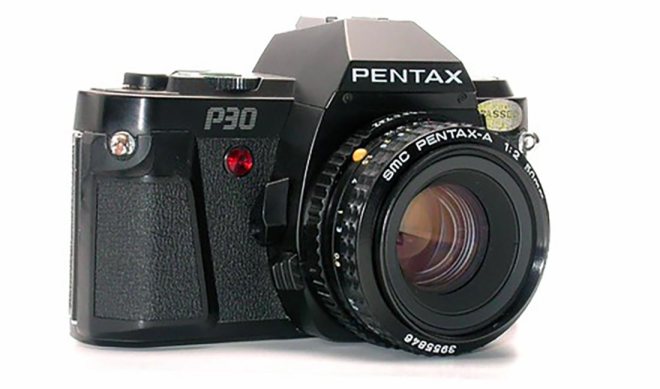
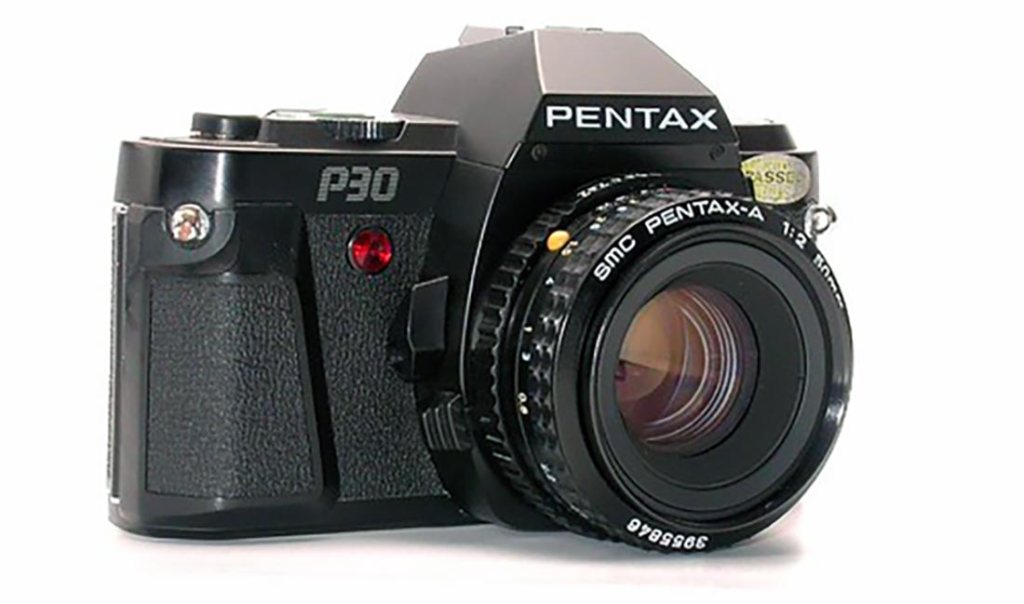
Fast forward to my 21st birthday in 1986 when I was able to upgrade to a proper 35mm SLR camera. It was a Pentax P30 body complete with a standard 50mm lens. As I recall it was a decent camera and the only disadvantage was that it relied on DX coding to set the ISO/ASA speed so you could not push process the film.

Having said that it would be fair to say that I threw myself into my new hobby and a couple of years later I added a second body, a Pentax ME Super, which had the advantage of adding a winder which could advance the film at the rate of a couple of frames a second.
Having more kit and a wider range of lenses helped me to improve my photos and I even started getting some of my pictures published in the local press.

It was in 1990 that I started working at a Newcastle camera shop and it was there that I was given access to a wide range of second hand kit. We were able to borrow equipment and it was the first time I had used a Nikon F3 which convinced me that I wanted to switch my system with better kit.
A colleague recommended the Nikon FM2 and I managed to find a secondhand camera elsewhere in the company and it was one of the older models because it had a titanium shutter. And it was fully manual exposure and a mechanical camera body so you could still use it in a limited capacity if the battery ran out.
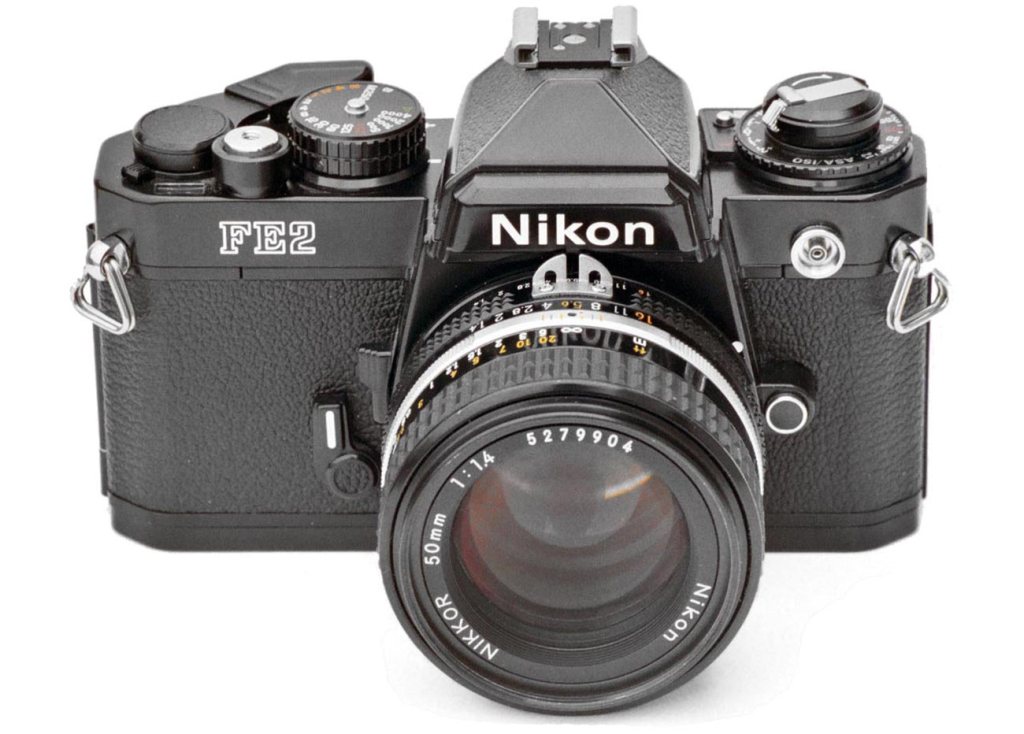
I later added a second camera body, a Nikon FE2, which was similar to the FM2 but it had the additional auto exposure setting.
Both bodies were able to use a motor drive, which was able to shoot around five frames a second, as well as a range of prime lenses, rather than zoom lenses, and a Metz flashgun. I am fairly sure this would have been the kit I made sure I took to my second interview for the photojournalism course at Stradbroke College in Sheffield.
Having said that I was able to pursue a number of photo projects and build up my portfolio which probably helped in getting me onto the course. It was also while I was studying in Sheffield that I bought a Canon compact camera but I cannot remember the exact model but it had the advantage of being auto focus and fitting in a jacket pocket.

After college I had been working for a couple of years on a newspaper in Cumbria and I had the chance of getting a Honda 750 motorcycle, after passing my bike test the previous year, but it turned out that it needed a few things working on that I could not carry out.
Having said that I decided to use the money to buy some better kit. Looking back maybe I should have taken the plunge and bought myself a Leica M6 rangefinder, which was my dream camera, or a Canon EOS 1 because the autofocus was considered the best at the time. However I had to wait a few years before I acquired a Leica rangefinder camera.
Instead, because I already had a range Nikon lenses, I went for a Nikon F4. And, while the autofocus was not as good as Canon, I quite liked it as a camera because it was solid, made to last, with its own built in motor drive.
Again it was a nice camera to use but, a couple of years later in 1996, I was moving back to the north east of England to start work at a local news agency where I would get two more F4s so it did not make sense to keep it.
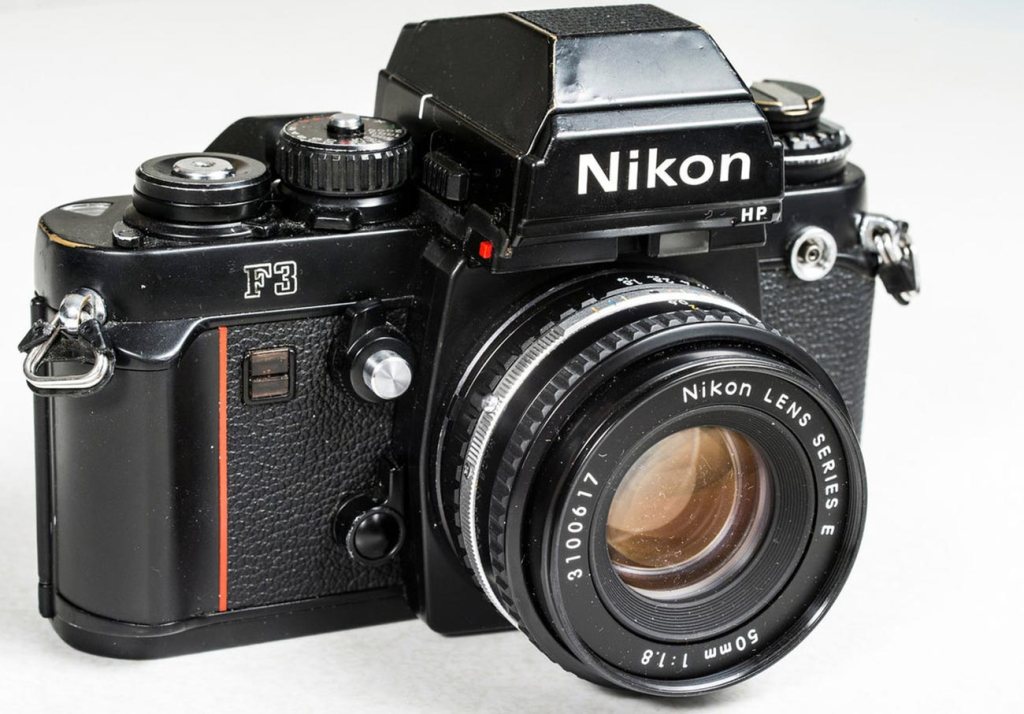
I chose to go back to basics and trade the F4 for its predecessor the F3HP together with an MD4 motor drive. The HP meant that it was high eye point – basically it had a wider viewfinder so it was good for people wearing glasses.
In addition it was manual focus, with manual exposure and the option of aperture priority auto exposure. Like the F4 it was solidly built to last and reliable.
And I continued to use it for the next few years until I transferred to digital kit in 2002 which is the next chapter in my photographic journey and will be my next post.
 Ian Duncan Media