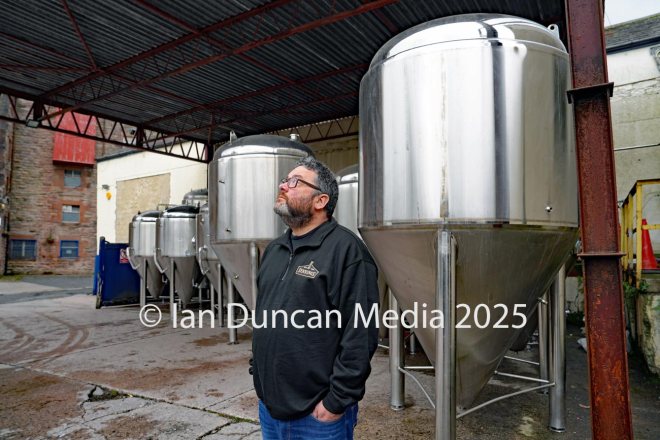
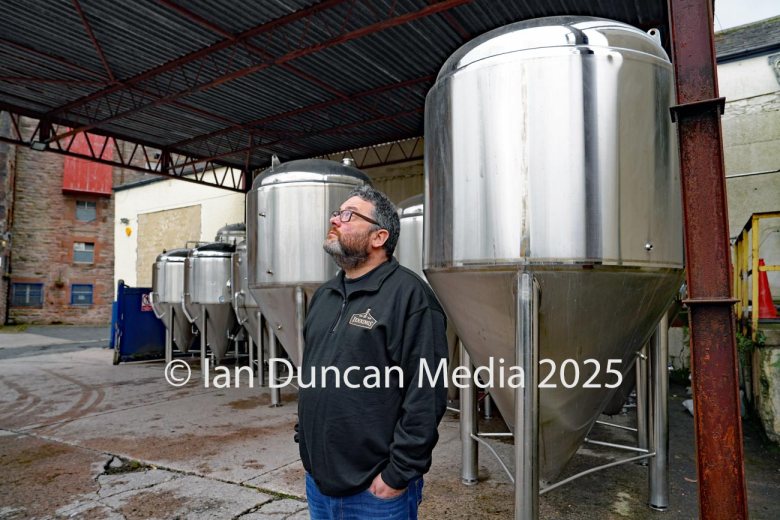
JENNINGS Brewery in Cockermouth has taken delivery of 11 new fermentation vessels to help expand capacity and make the business more able to meet increased demand just months after it reopened.
It is expected that the new kit will be in operation within weeks and it should increase production from the current 1400 barrels per year to around 4000 barrels per annum.
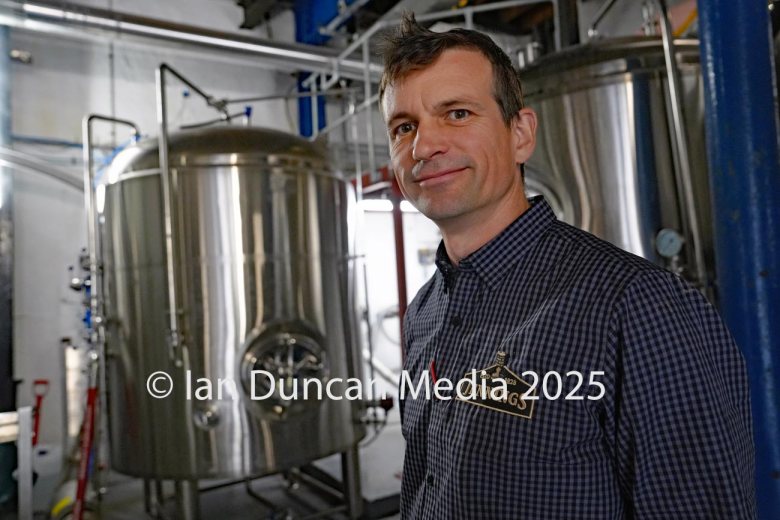
JENNINGS BREWERY… New assistant brewer Brad Leader who used to work at The Lakes Distillery in Bassenthwaite… 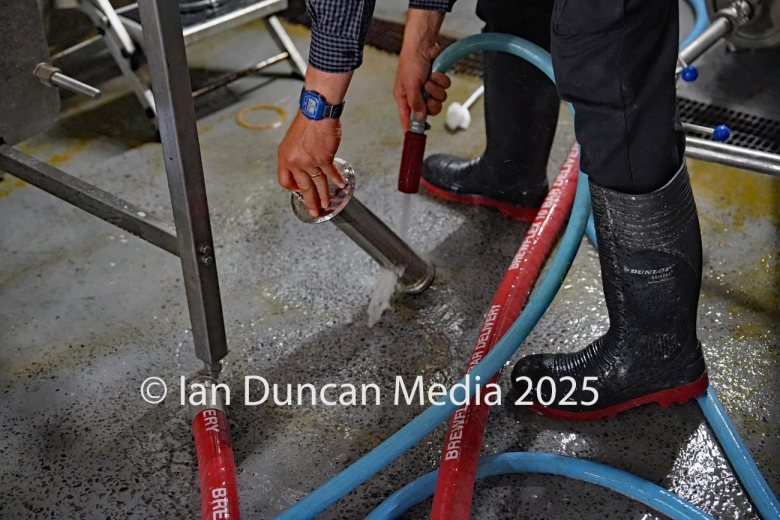
JENNINGS BREWERY… New assistant brewer Brad Leader who used to work at The Lakes Distillery in Bassenthwaite… 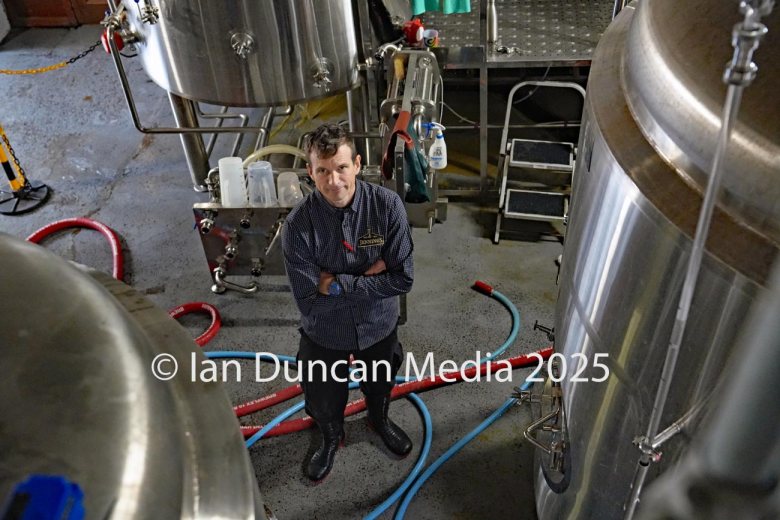
JENNINGS BREWERY… New assistant brewer Brad Leader who used to work at The Lakes Distillery in Bassenthwaite… 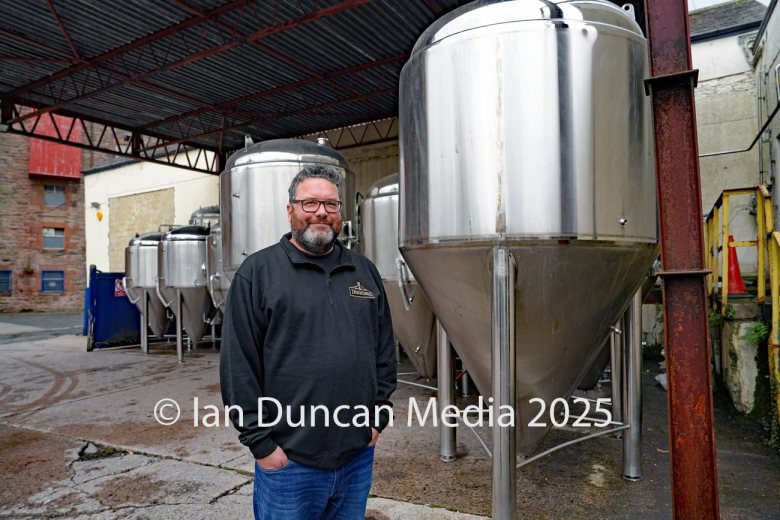
JENNINGS BREWERY… MD Chris France with the 11 new fermentation vessels… 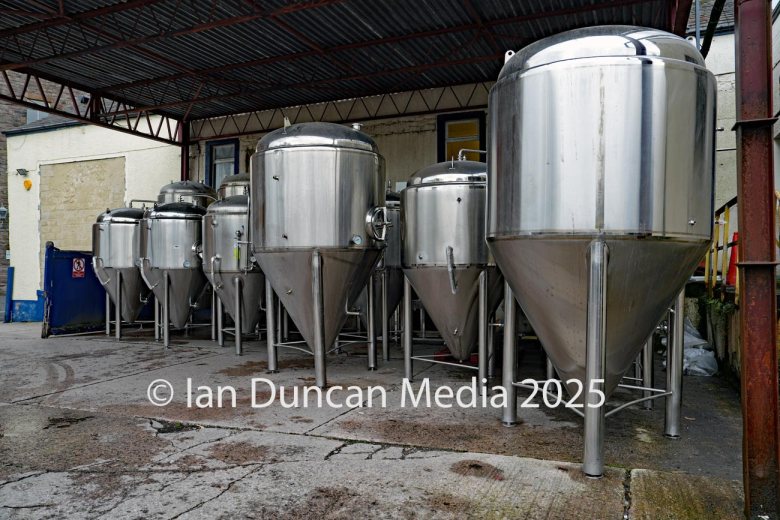
JENNINGS BREWERY… The 11 new fermentation vessels… 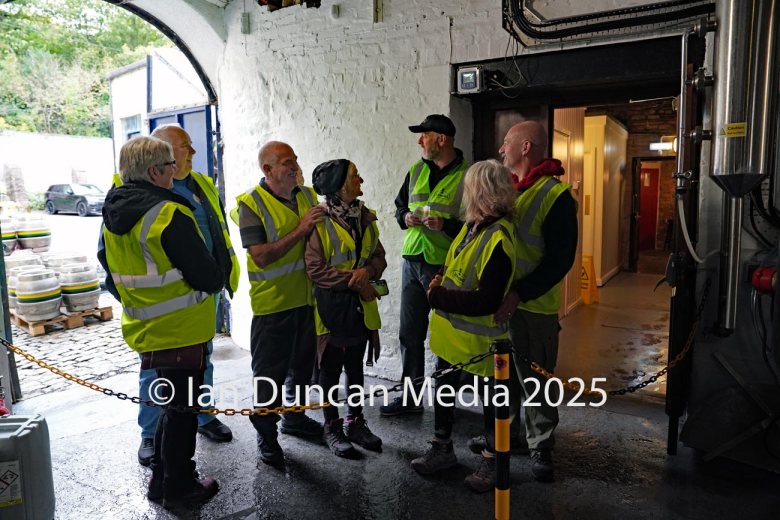
JENNINGS BREWERY… Tour guide Tom Speight, in cap, leads a tour of visitors around the site… 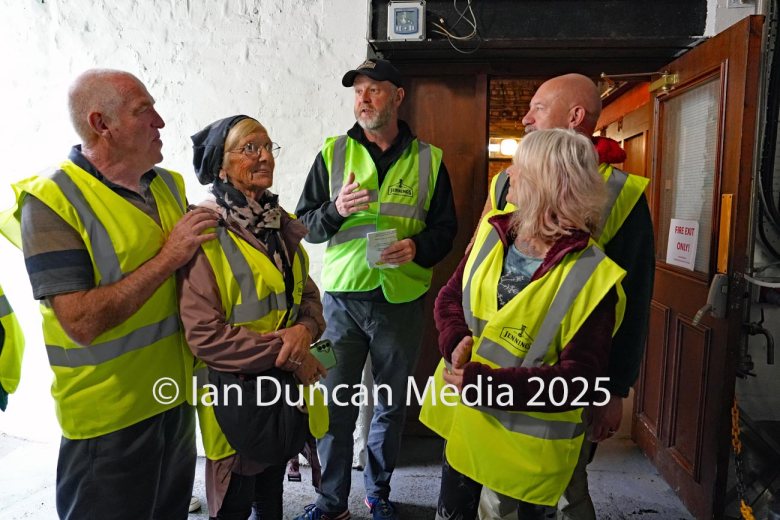
JENNINGS BREWERY… Tour guide Tom Speight, in cap, leads a tour of visitors around the site… 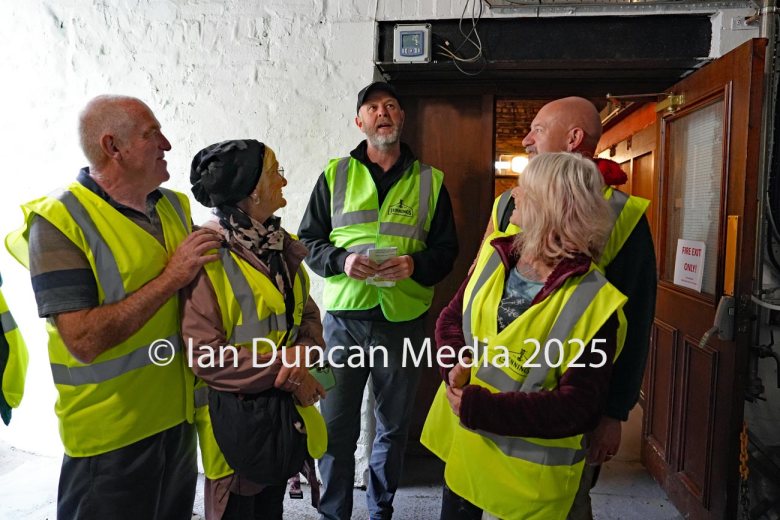
JENNINGS BREWERY… Tour guide Tom Speight, in cap, leads a tour of visitors around the site… 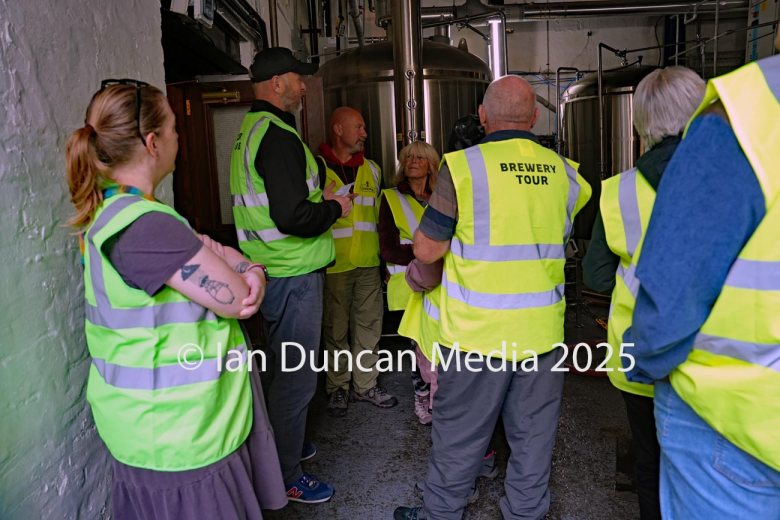
JENNINGS BREWERY… Tour guide Tom Speight, in cap, leads a tour of visitors around the site… 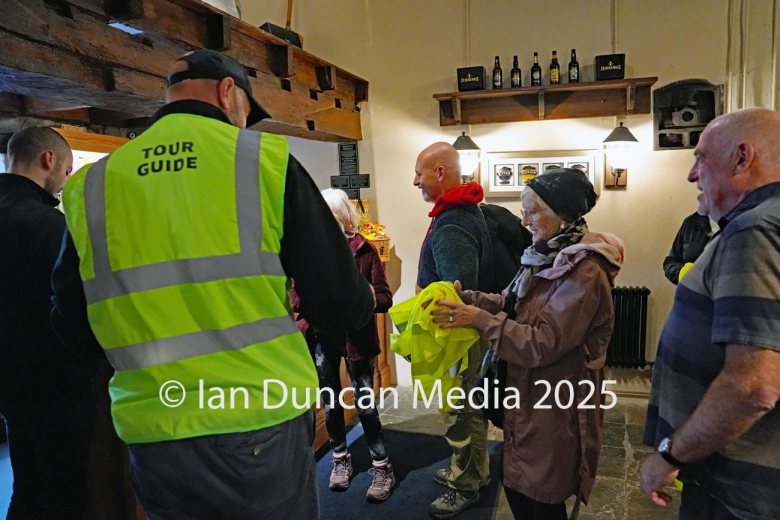
JENNINGS BREWERY… Tour guide Tom Speight, in cap, leads a tour of visitors around the site and the tour ended up in the taproom… 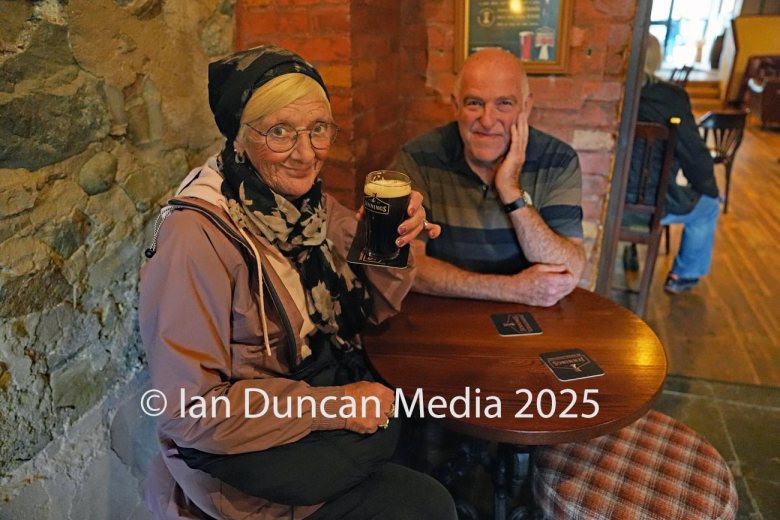
JENNINGS BREWERY… Tour guide Tom Speight, in cap, leads a tour of visitors around the site and the tour ended up in the taproom… A couple from Sunderland, he was from Newcastle Upon Tyne and she was from Sunderland, enjoy a drink after the tour… 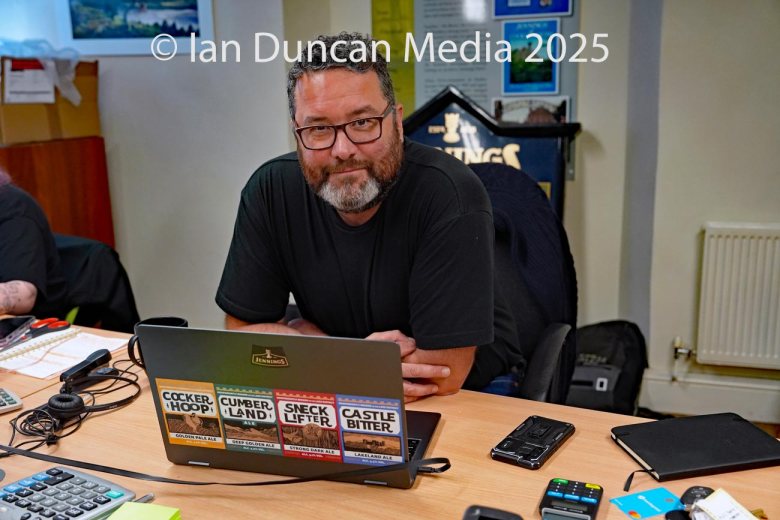
JENNINGS BREWERY… MD Chris France in the office…
Speaking earlier today MD Chris France said it arrived this week and described it as a new ‘ten barrel brew house with 11 new fermentation vessels’ which should increase capacity for the business.
He added: “It’s a real step up because we will be brewing both kits. The advantage of having two kits, rather than one, is it enables you to be a bit more agile and produce a greater number of beers.
“You’re not just brewing one big mega batch of beer. You can be creative and have a greater range of flavours and styles, and that’s certainly what we’ve done since launch.
“The intention has been that we brew the old recipes and really bring those back because they were lost and weren’t brewed here for six or seven years.
“And then we wanted to do our new styles as well, New beers so recently the Helles Lager. That was launched this week at Taste Cumbria and we had a really good response to it.”
He said it was nice to bring something new and it was a type of beer that they had not done before. He added: “We’ve never done a lager. So to bring that for the first time in nearly 200 years is a nice thing to add in and you’ll see more of that and that’s what the brewkit brings.”
Mr France said he was not expecting such an increase in demand for their beers so soon and added: “I think if I was expecting it, I’d have bought a bigger brewkit to start with. But it is lovely to have it.
“What’s been happening since we opened in July is that we couldn’t meet a lot of the demand that was there. People were phoning up and saying ‘Can we order some beer?’ And we didn’t have any.
“And that’s been both locally and nationally, so there’s much greater interest nationally in the beer that we’re producing than we expected.
“And it will be good to be able to provide the beer and then also have a proper focus on the local free trade, who are interested in taking it, but sometimes they phone up and we just don’t have anything to give them.”
He said he was expecting to increase the local workforce, employed by the business, from the current 13 staff up to maybe 23 or 24 by the end of end of next year.
And he said the idea for introducing Helles Lager harked back to the 1600s and 1700s when there were German immigrants who worked in the mining industry. He added: “They had a significant impact on Cumberland sausage, and less of an impact on the beer.
“And we’ve got a Helles Lager that we’re going to try in at least give a nod to the history of the beer that they would have been drinking.”
He said there were lots of plans for the business but was playing his cards close to his chest. But he added: “Yeah, there are loads. Well, we’re definitely going to be bringing red breast, which is the traditional Christmas beer of Jennings, and that will be available in both Cask and in bottle.
“And then our new brewkit will just mean that we can do more stuff, so we’ll be able to make the beer available in bottle and on the website and get that those sales going as well. So people will be able to try it wherever they are in the country.”
According to reports the existing process has been only able to satisfy around 60 per cent of requests for beer which have come in from all over the North.
Head brewer Buster Grant now has assistant Brad Leader who previously worked at The Lakes Distillery in Bassenthwaite. The original brewery closed in 2022 before being brought back to life earlier this year.
Mr France, who is founder of speciality beer retailer Beer Hawk and grew up in the Lake District, joined as managing director earlier this year and has worked to redevelop the site as well as bringing famous names back to shelves and tap rooms.
The hope now is the additional brewing capacity will not just enable to company to meet existing orders but also satisfy new ones.
Fact file:
- Originally, the Brewery was founded in 1828, in Lorton by John Jennings Senior:
- His son was also involved in operating the brewery and it was later passed on to the three grandsons after Jennings Sr died;
- Their success meant expansion so, when Jennings outgrew the Lorton brewery, they purchased the existing site in Cockermouth in 1874;
- The Lorton brewery continued until 1881 when brewing shifted entirely to the Cockermouth site;
- In May 2005 Jennings Brewery was bought by the national brewer Wolverhampton & Dudley Breweries (W&DB) which was renamed Marston’s in January 2007;
- The purchase was opposed by the Campaign for Real Ale which feared W&DB would close the Cockermouth brewery;
- In the short term the fears were unfounded, and in June 2005 W&DB announced it would invest £250,000 to expand fermenting and cask racking capacity in Cockermouth and this work was completed before the end of October 2008;
- In May 2020, Marston’s announced that it would merge its brewing business with Carlsberg UK, the United Kingdom arm of the Carlsberg Group, into a joint venture valued at £780 million. Marston’s took a 40 per cent stake in the merged firm;
- The deal involved Marston’s six breweries and distribution depots, but not its 1400 pubs;
- A month later, the site was placed on the market with the agents seeking offers of £750,000;
- Agents TSR stated the property was suitable for continuation as a commercial brewing operation or as a regeneration opportunity, respecting the historic significance of the site;
- In March last year, the property failed to achieve its auction reserve price of £750,000 and agents SDL said they would continue to market the site for a post-auction sale;
- As of February this year there were plans to re-open the brewery and new owners, Kurt and Rebecca Canfield, bought the Cockermouth brewery and the rights to the Jennings brand for an undisclosed sum.
The firm’s website states: “Jennings’ recent history is a story of local revival. In 2025 the brewery opened again, returning to local, independent, family ownership after two decades as a brand of Carlsberg that ultimately suffered full closure in 2022.
“Closure was devastating for the town, but brewing is returning to the historic site in Cockermouth, Cumbria and we are beginning the long journey back to becoming a cherished Cumbrian icon!
“There’s lots of work to do to restore the full former glory, but a small passionate team around is focussed on bringing that heritage back to life.”
 Ian Duncan Media