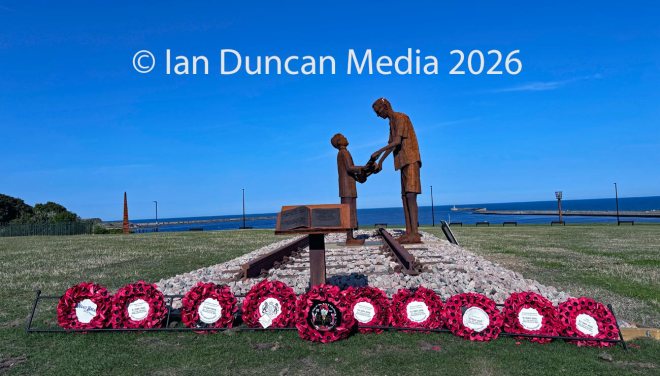
Humanity – The Forgotten Army statue in the North Marine Park in South Shields in the north-east of England by artist Ray Lonsdale. Photo: Ian Duncan. 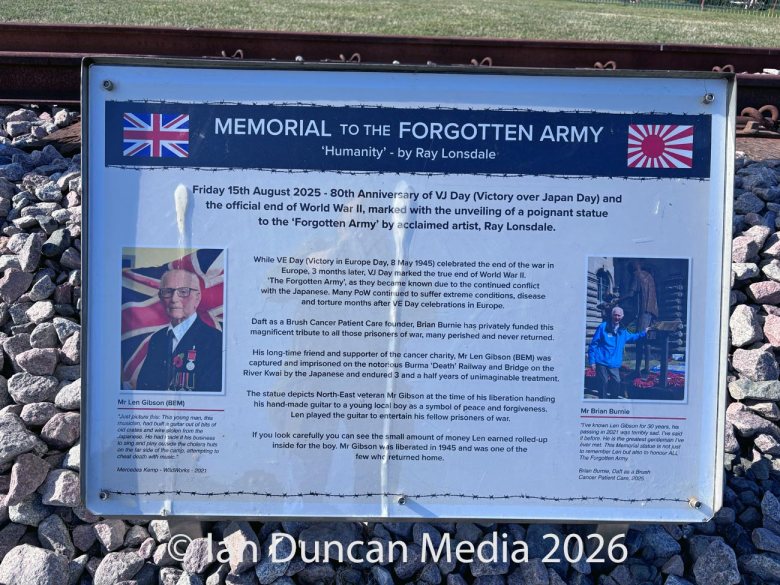
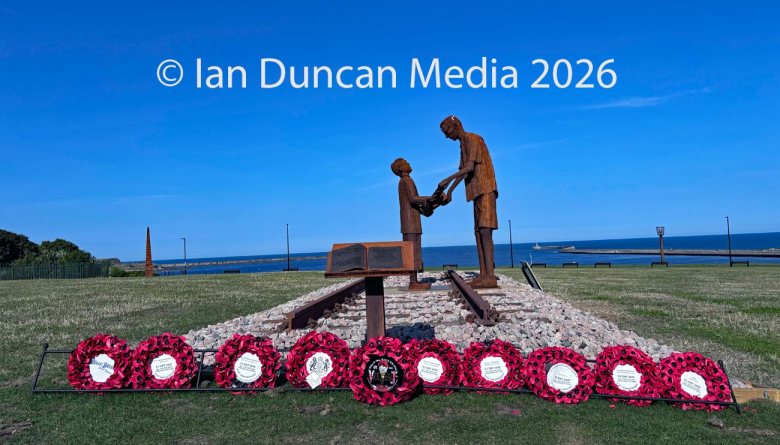
Humanity – The Forgotten Army statue in the North Marine Park in South Shields in the north-east of England by artist Ray Lonsdale. Photo: Ian Duncan. 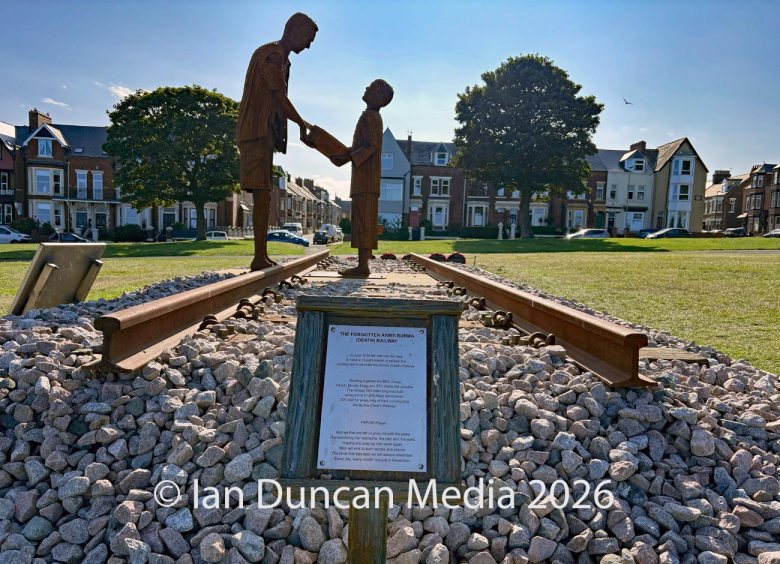
Humanity – The Forgotten Army statue in the North Marine Park in South Shields in the north-east of England by artist Ray Lonsdale. Photo: Ian Duncan. 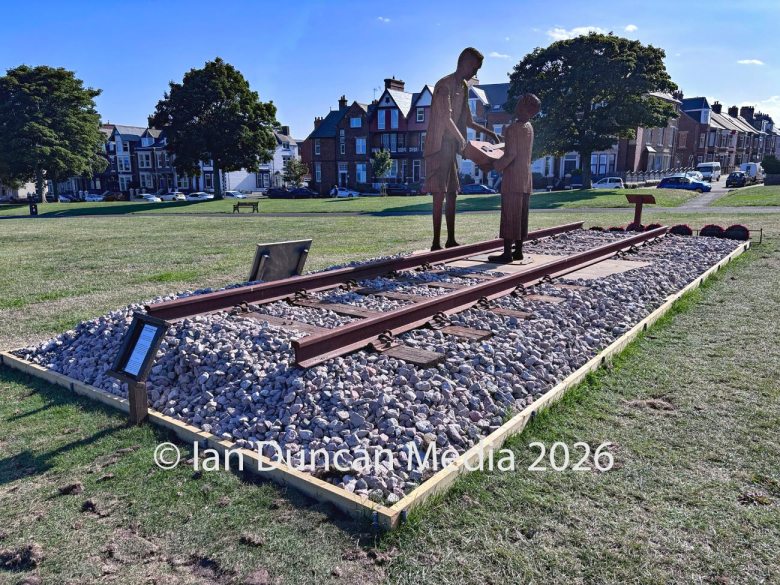
Humanity – The Forgotten Army statue in the North Marine Park in South Shields in the north-east of England by artist Ray Lonsdale. Photo: Ian Duncan. 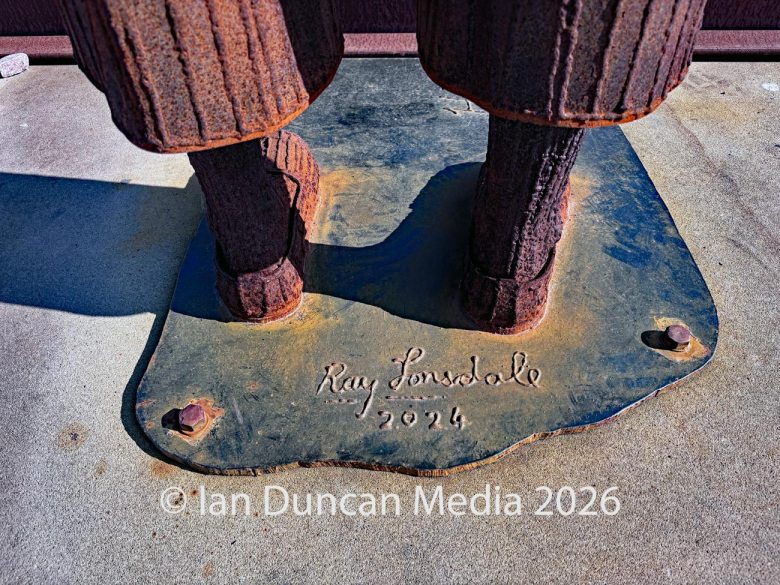
Humanity – The Forgotten Army statue in the North Marine Park in South Shields in the north-east of England by artist Ray Lonsdale. Photo: Ian Duncan. 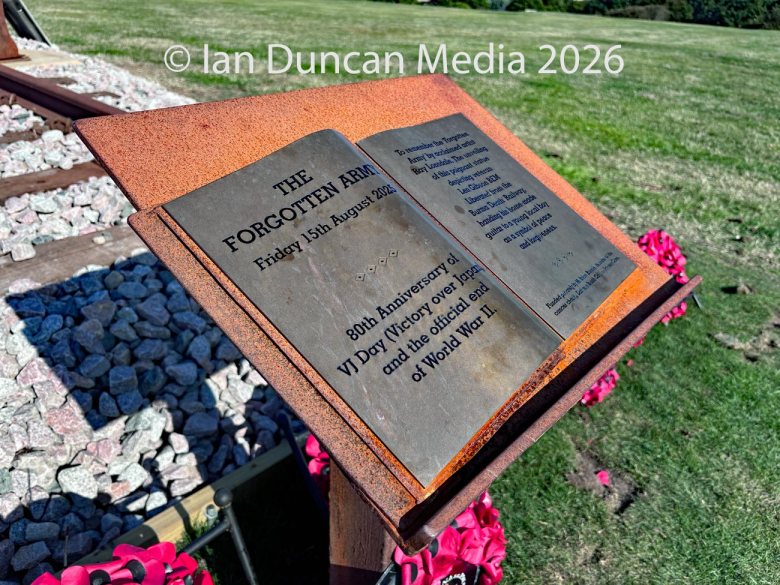
Humanity – The Forgotten Army statue in the North Marine Park in South Shields in the north-east of England by artist Ray Lonsdale. Photo: Ian Duncan. 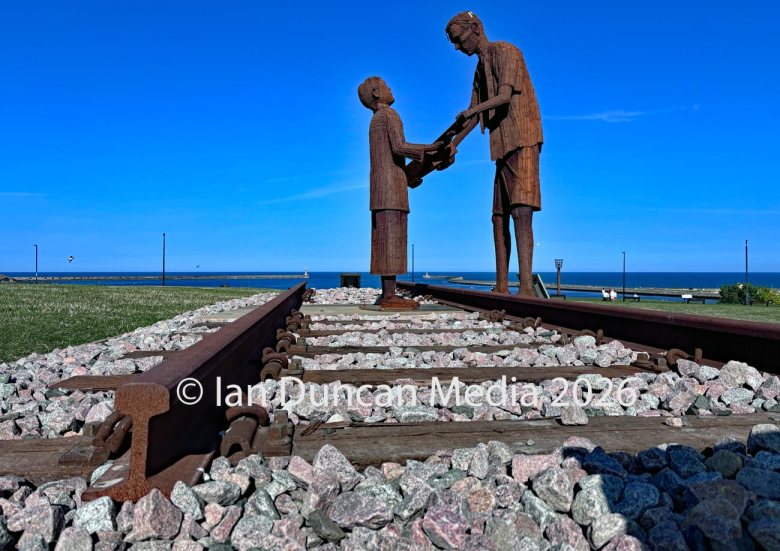
Humanity – The Forgotten Army statue in the North Marine Park in South Shields in the north-east of England by artist Ray Lonsdale. Photo: Ian Duncan. 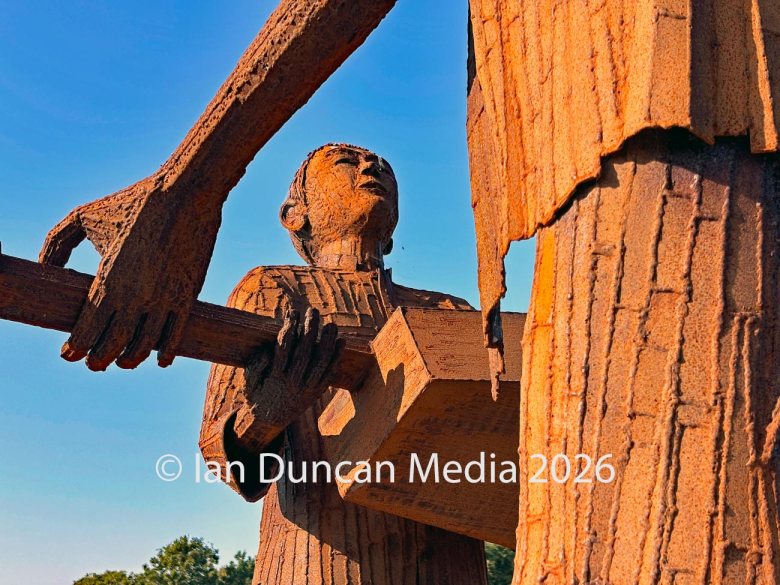
Humanity – The Forgotten Army statue in the North Marine Park in South Shields in the north-east of England by artist Ray Lonsdale. Photo: Ian Duncan. 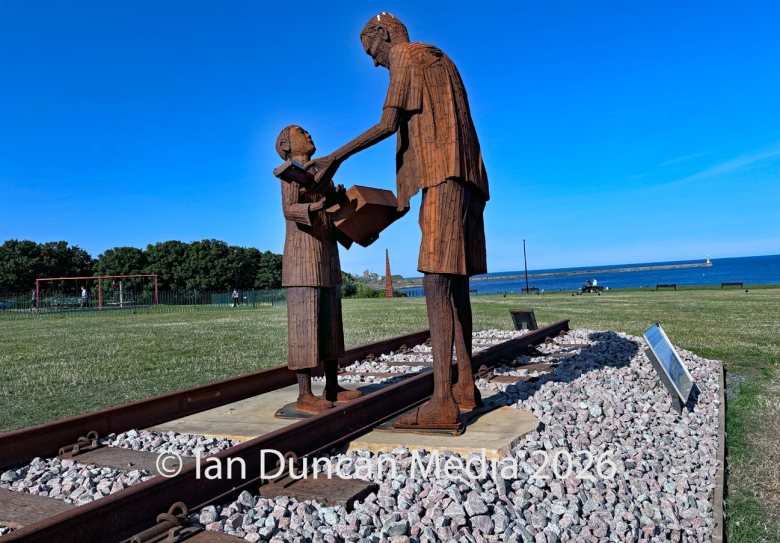
Humanity – The Forgotten Army statue in the North Marine Park in South Shields in the north-east of England by artist Ray Lonsdale. Photo: Ian Duncan. 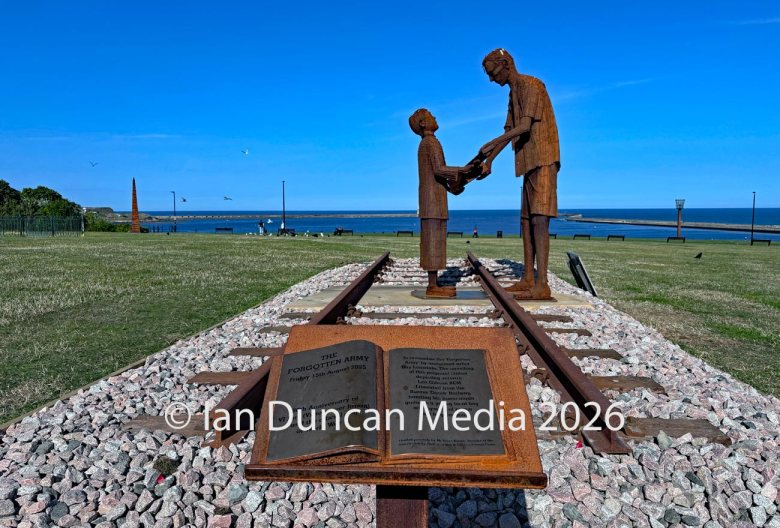
Humanity – The Forgotten Army statue in the North Marine Park in South Shields in the north-east of England by artist Ray Lonsdale. Photo: Ian Duncan. 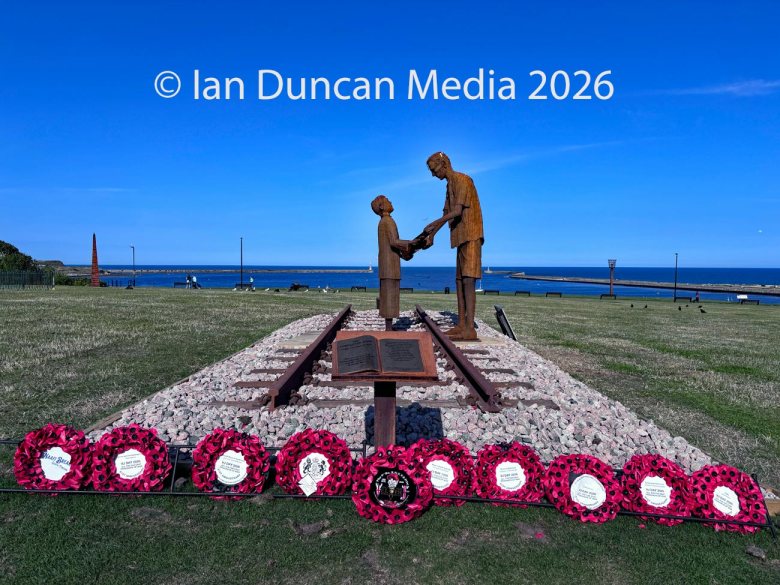
Humanity – The Forgotten Army statue in the North Marine Park in South Shields in the north-east of England by artist Ray Lonsdale. Photo: Ian Duncan. 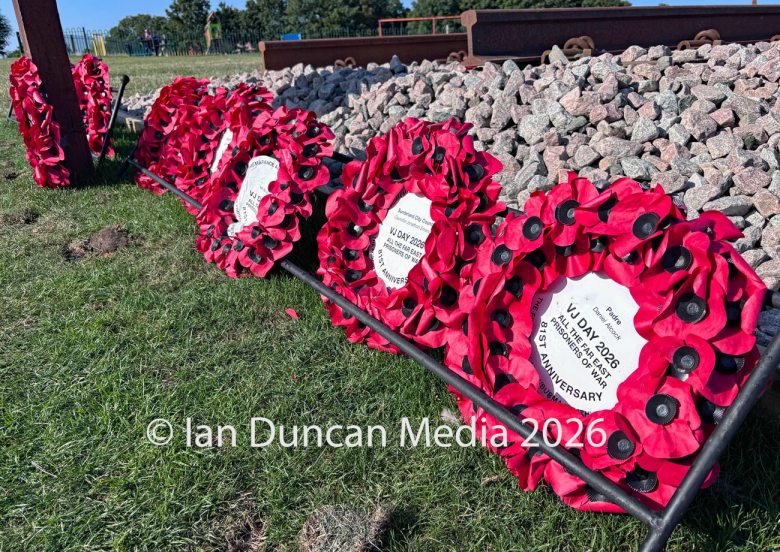
Humanity – The Forgotten Army statue in the North Marine Park in South Shields in the north-east of England by artist Ray Lonsdale. Photo: Ian Duncan. 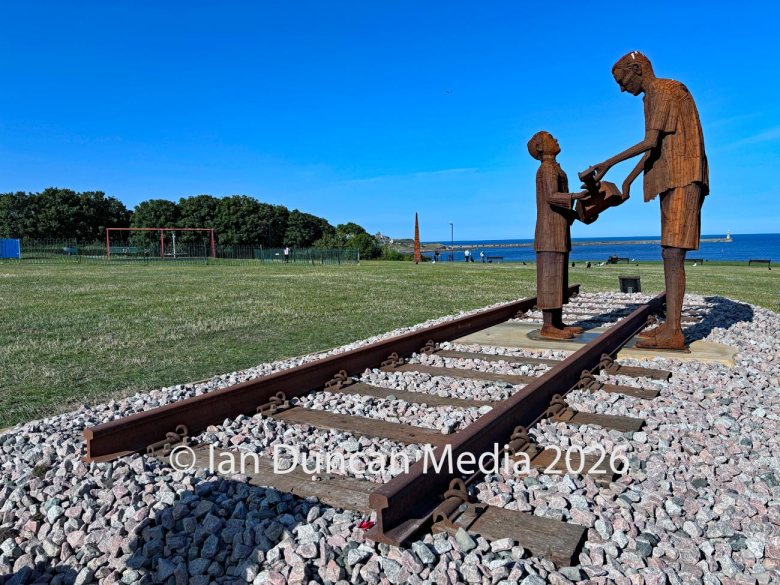
Humanity – The Forgotten Army statue in the North Marine Park in South Shields in the north-east of England by artist Ray Lonsdale. Photo: Ian Duncan. 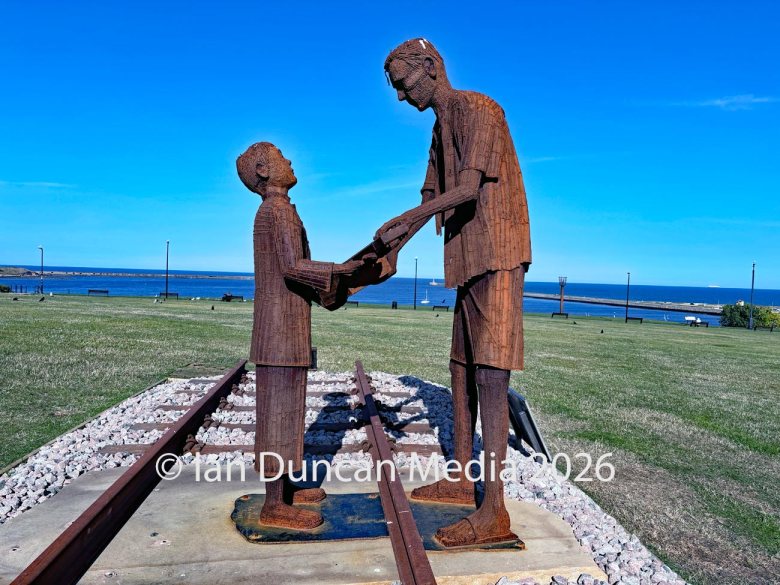
Humanity – The Forgotten Army statue in the North Marine Park in South Shields in the north-east of England by artist Ray Lonsdale. Photo: Ian Duncan. 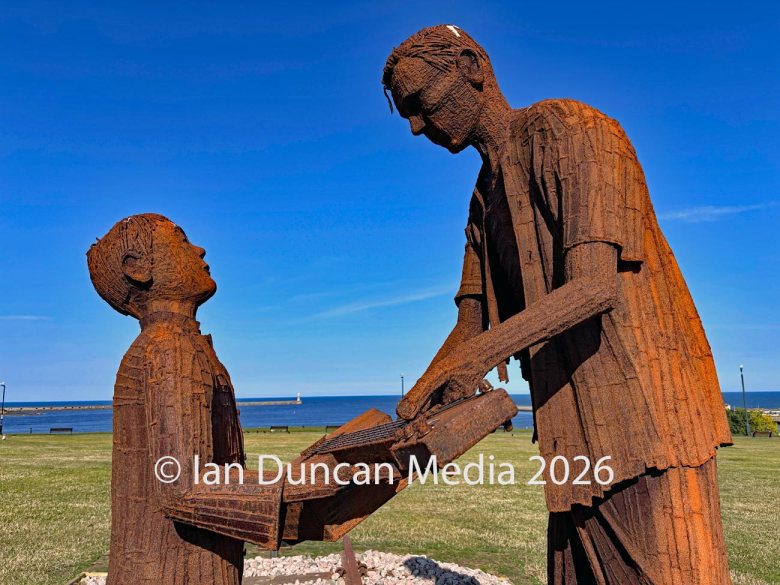
Humanity – The Forgotten Army statue in the North Marine Park in South Shields in the north-east of England by artist Ray Lonsdale. Photo: Ian Duncan. 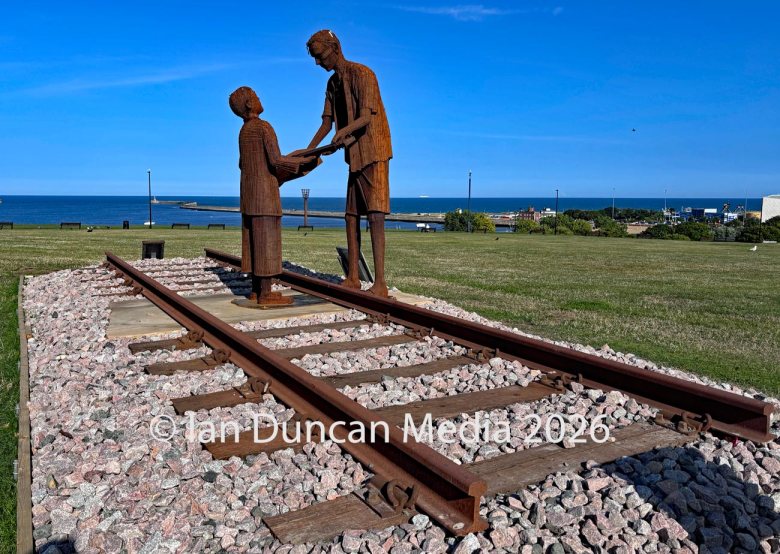
Humanity – The Forgotten Army statue in the North Marine Park in South Shields in the north-east of England by artist Ray Lonsdale. Photo: Ian Duncan.
Over the weekend I had a catch up with mam in my home town of South Shields but, before I returned home to Carlisle, I also visited the latest art installation Humanity – The Forgotten Army statue by artist Ray Lonsdale in the North Marine Park.
It is quite a poignant sculpture which commemorates the British soldiers who served in the Far East during the Second World War on the Burma Railway, which was also known as the so-called ‘Death Railway’, between Thailand and what is now known as Myanmar.
It features a statue of Len Gibson, who was captured by Japan and forced to build the railway – he was among 60,000 Allied prisoners forced by the Japanese to build the railway in 1942 and 1943. The old tracks from the Metro transport system were donated and installed by staff from Nexus and unveiled on VJ Day (August 15, 2026).
The track measured 10m, or 33ft in old money, of old sleepers and track from the Tyne and Wear Metro were laid by volunteers alongside the sculpture and officially finally unveiled during this year’s VJ Day commemorations.
The installation was created by Lonsdale and commissioned by philanthropist Brian Burnie in 2025 in tribute to Gibson, who died aged 101 in 2021.
He said the track was 10m in length to signify that, on average, two men died for every 10m of railway built. He added: “Over the last 80 years, I’ve been to war memorials all over the world, but this we’ve created today is real. You can see and touch it.”
Stuart Clarke, infrastructure director at Nexus, said: “We’re delighted to be able to donate used Metro track to support this amazing project.
“The track will form a new feature at the Len Gibson statue, creating a new memorial for Len Gibson and the many thousands of other British soldiers who died in the Far East during the Second World War.
“Using the rails is poignant, given that British prisoners of war, including Mr Gibson, were forced to build the ”Death Railway’ between Thailand and Myanmar (formerly Burma), from 1942 to 1943.
“By re-using these items in this way, it supports our own commitment to work sustainably in everything that we do, while helping the voluntary sector where we can.”
The Len Gibson statue was unveiled in December 2025. It depicts him while he was imprisoned on the Burma Death Railway, handing a homemade banjo to a Burmese boy, something that he did just prior to his release.
I first became aware of Ray Lonsdale’s work way back in 2012 and I thought I would recall his various sculptures that I have encountered over the years since then.
Freddie Gilroy and the Belsen Stragglers
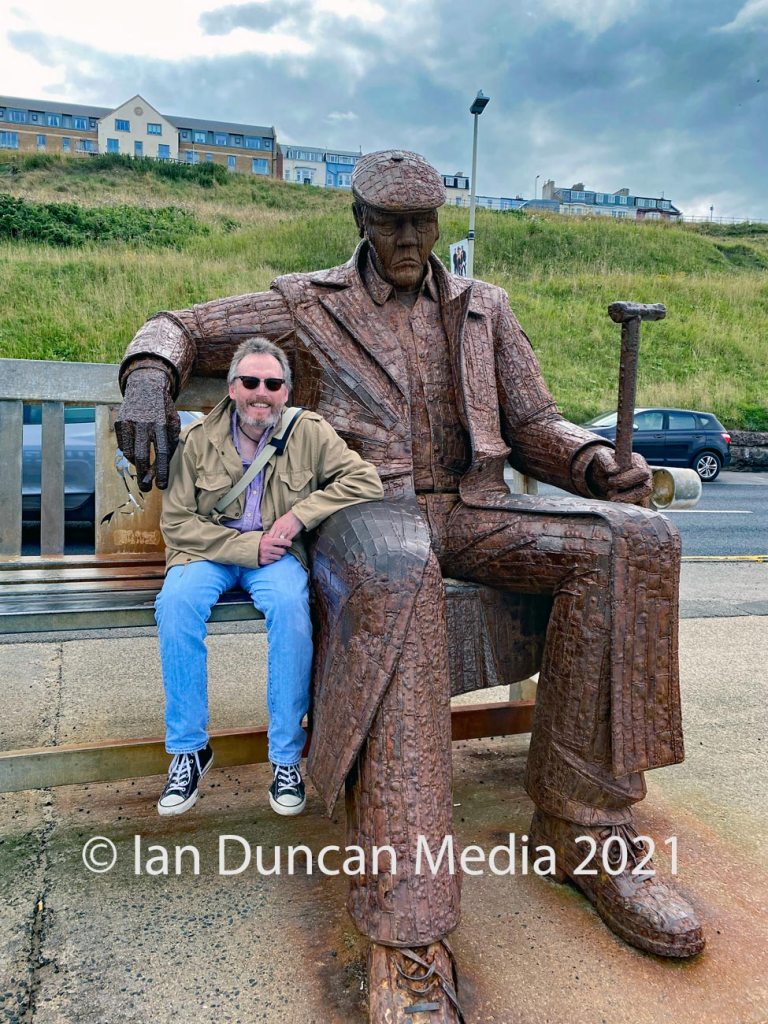
Me and Freddie Gilroy and the Belsen Stragglers statue in Scarborough’s North Bay in North Yorkshire by artist Ray Lonsdale. Photo: Ian Duncan. 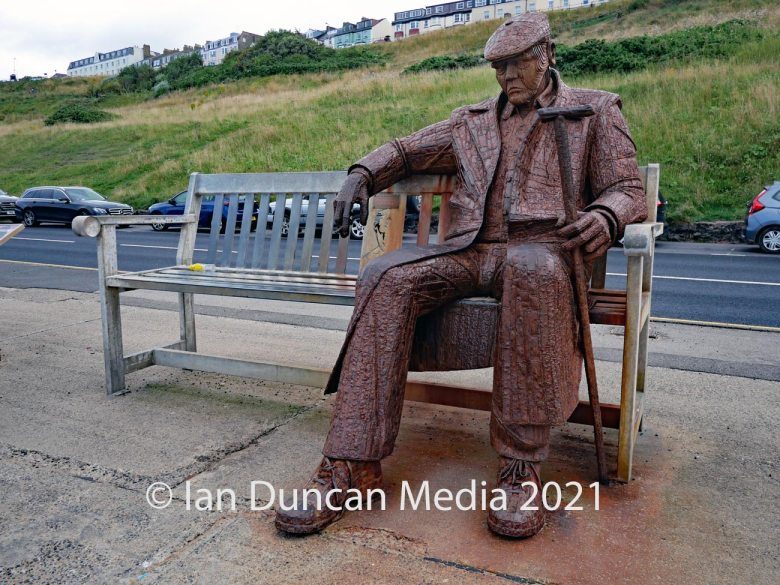
Freddie Gilroy and the Belsen Stragglers statue in Scarborough’s North Bay in North Yorkshire by artist Ray Lonsdale. Photo: Ian Duncan. 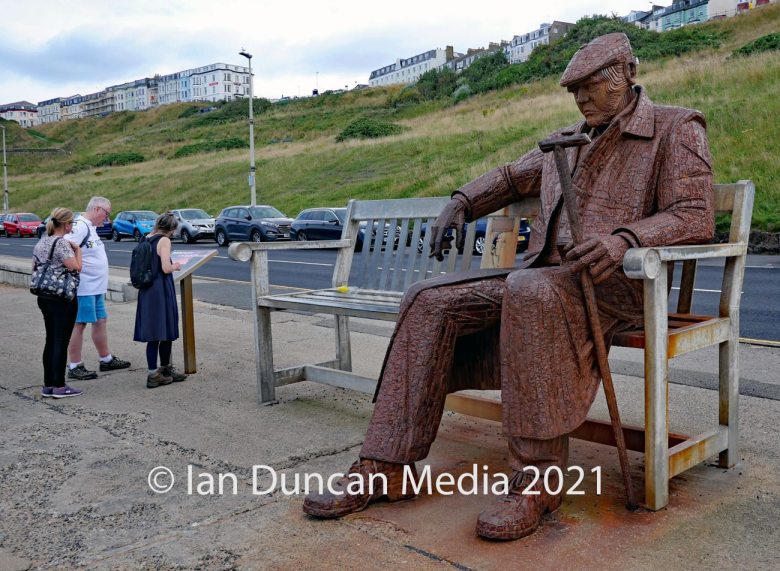
Freddie Gilroy and the Belsen Stragglers statue in Scarborough’s North Bay in North Yorkshire by artist Ray Lonsdale. Photo: Ian Duncan. 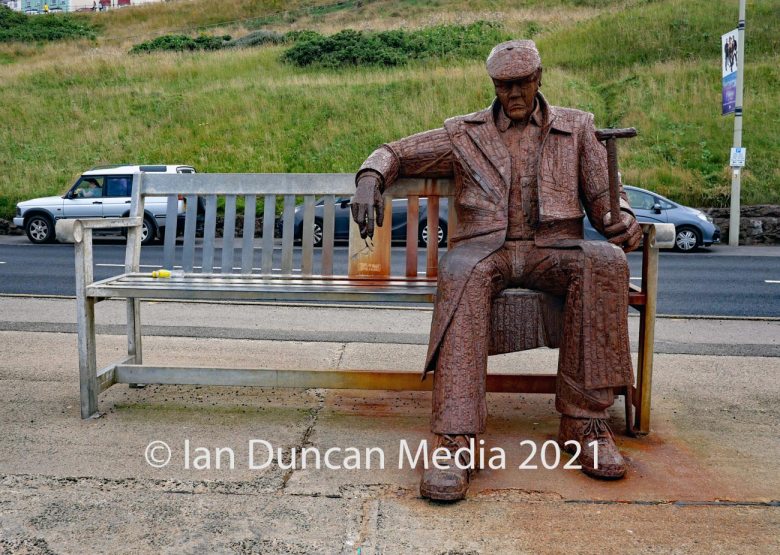
Freddie Gilroy and the Belsen Stragglers statue in Scarborough’s North Bay in North Yorkshire by artist Ray Lonsdale. Photo: Ian Duncan. 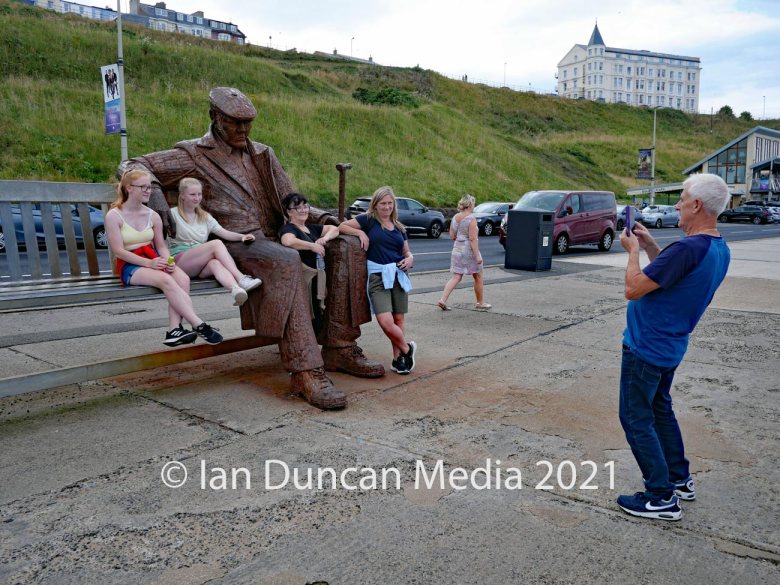
Freddie Gilroy and the Belsen Stragglers statue in Scarborough’s North Bay in North Yorkshire by artist Ray Lonsdale. Photo: Ian Duncan. 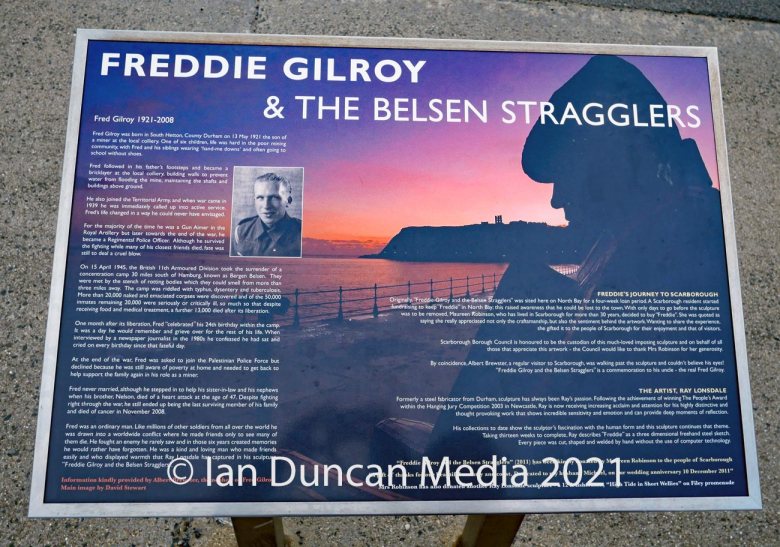
Freddie Gilroy and the Belsen Stragglers statue in Scarborough’s North Bay in North Yorkshire by artist Ray Lonsdale. Photo: Ian Duncan. 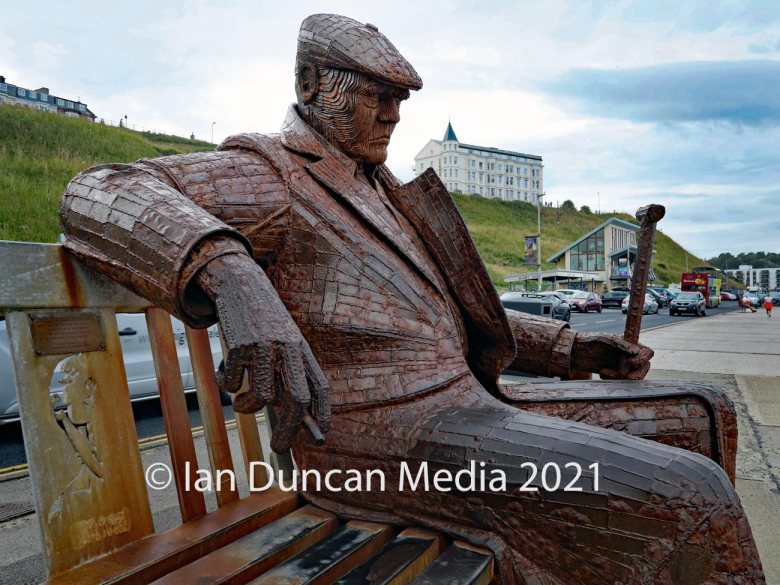
Freddie Gilroy and the Belsen Stragglers statue in Scarborough’s North Bay in North Yorkshire by artist Ray Lonsdale. Photo: Ian Duncan. 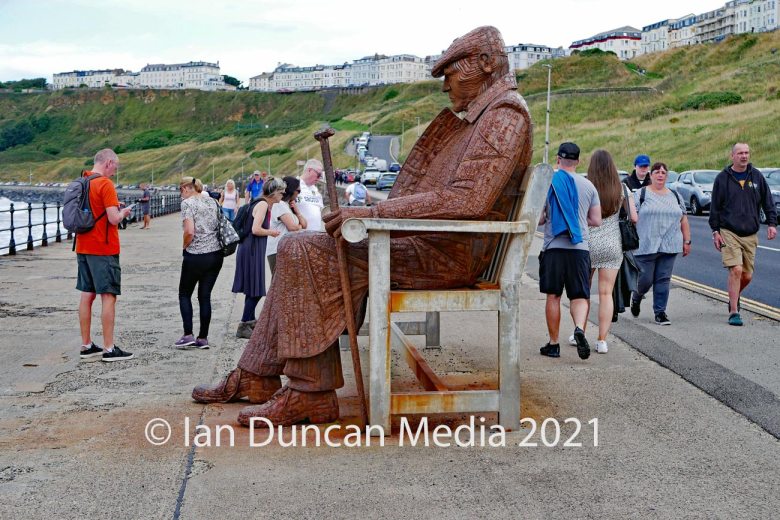
Freddie Gilroy and the Belsen Stragglers statue in Scarborough’s North Bay in North Yorkshire by artist Ray Lonsdale. Photo: Ian Duncan. 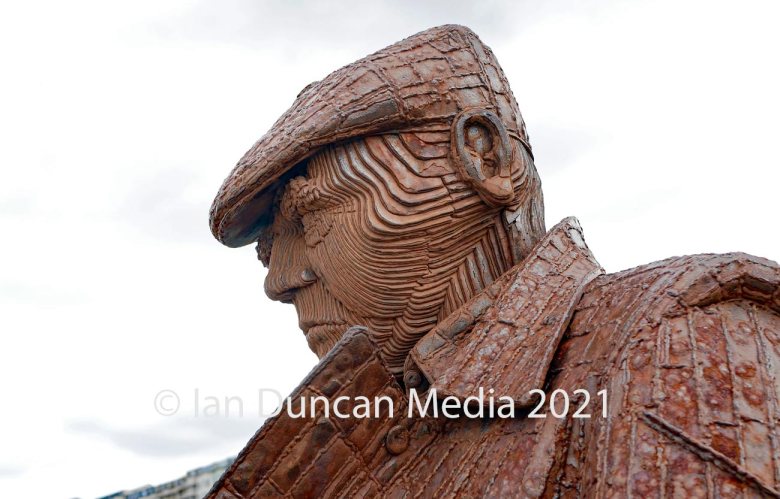
Freddie Gilroy and the Belsen Stragglers statue in Scarborough’s North Bay in North Yorkshire by artist Ray Lonsdale. Photo: Ian Duncan. 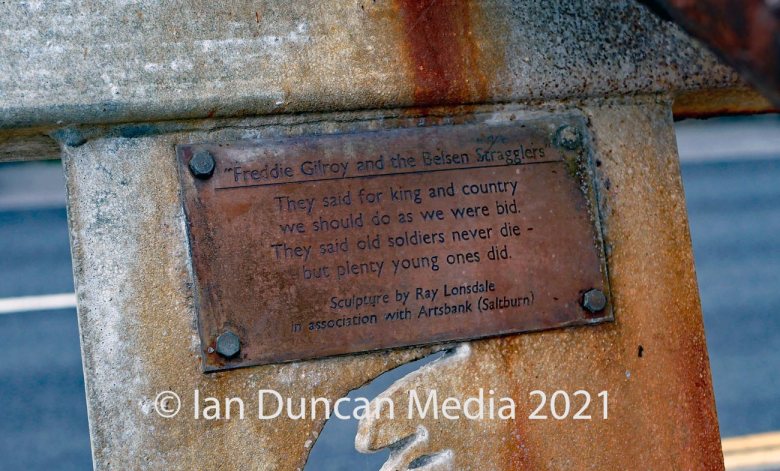
Freddie Gilroy and the Belsen Stragglers statue in Scarborough’s North Bay in North Yorkshire by artist Ray Lonsdale. Photo: Ian Duncan.
In 2012 Freddie Gilroy and the Belsen Stragglers appeared in Scarborough’s North Bay during a national tour. The unassuming statue featured a former soldier, who participated in the liberation of the Bergen-Belsen concentration camp, sitting on a bench in his old age looking wistfully out to the North Sea. It was located in Scarborough’s North Bay and it was bought for the benefit of the town by a local resident.
Gilroy was a South Hetton brickmaker and colliery worker who served with the Royal Artillery during the Second World War. However I did not get any shots of the statue until 2021 when I returned to Scarborough on a day trip with a friend.
The Smuggler’s Apprentice (Lesson 1)
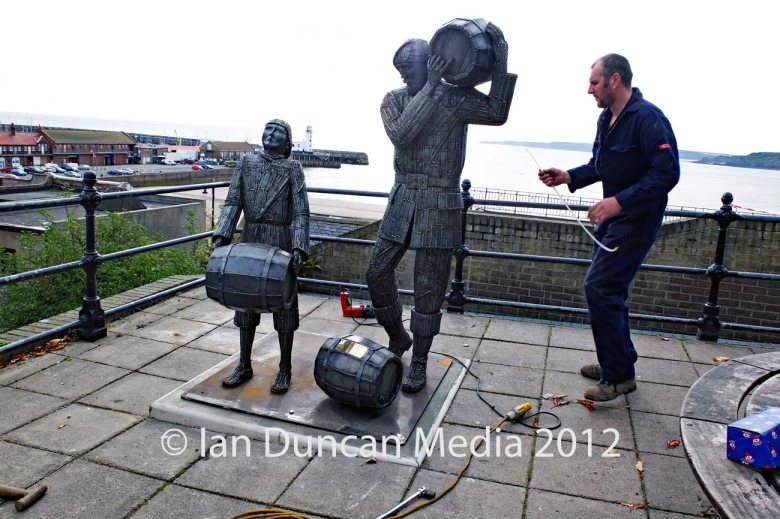
Artist Ray Lonsdale installs The Smuggler’s Apprentice (Lesson 1) statue in Scarborough in North Yorkshire. Photo: Ian Duncan. 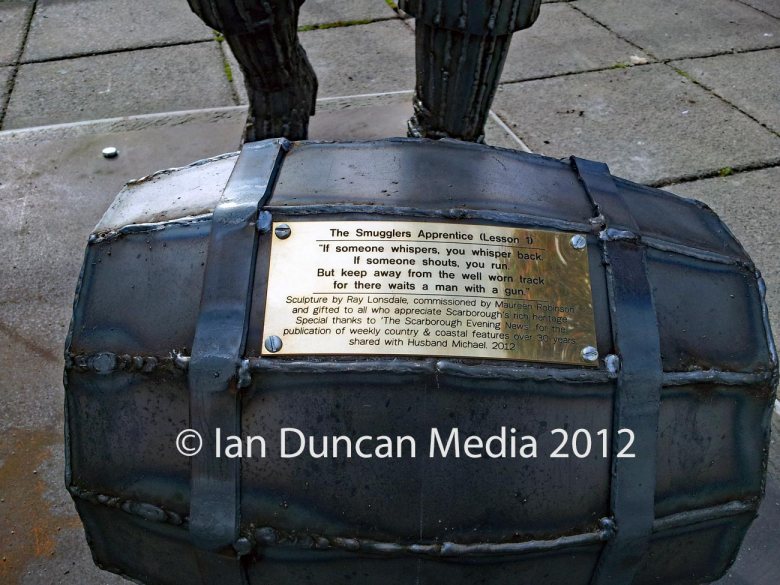
Artist Ray Lonsdale installs The Smuggler’s Apprentice (Lesson 1) statue in Scarborough in North Yorkshire. Photo: Ian Duncan. 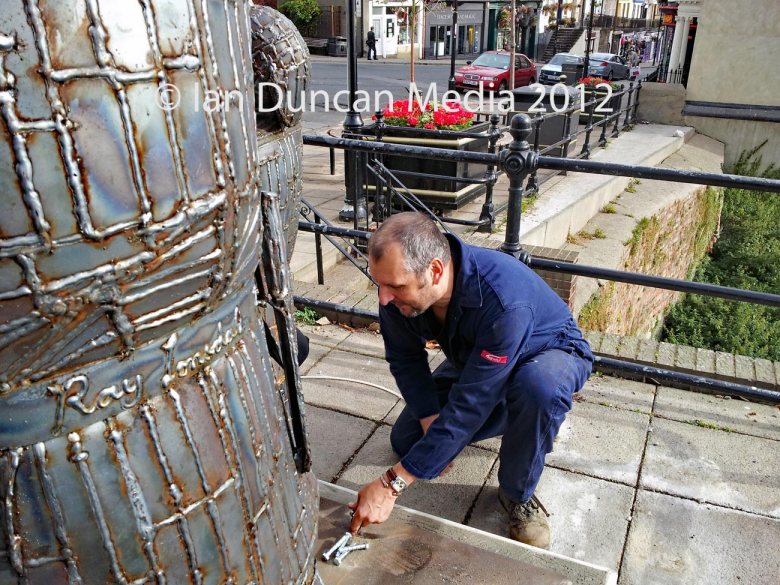
Artist Ray Lonsdale installs The Smuggler’s Apprentice (Lesson 1) statue in Scarborough in North Yorkshire. Photo: Ian Duncan. 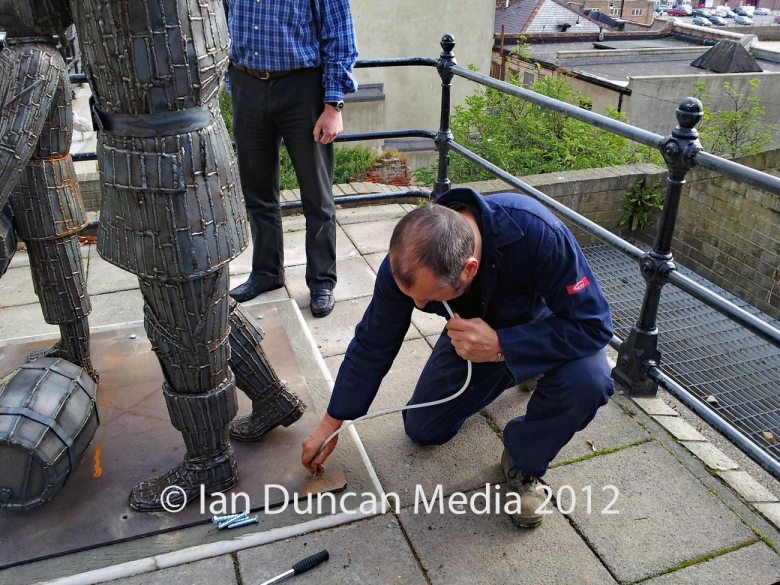
Artist Ray Lonsdale installs The Smuggler’s Apprentice (Lesson 1) statue in Scarborough in North Yorkshire. Photo: Ian Duncan. 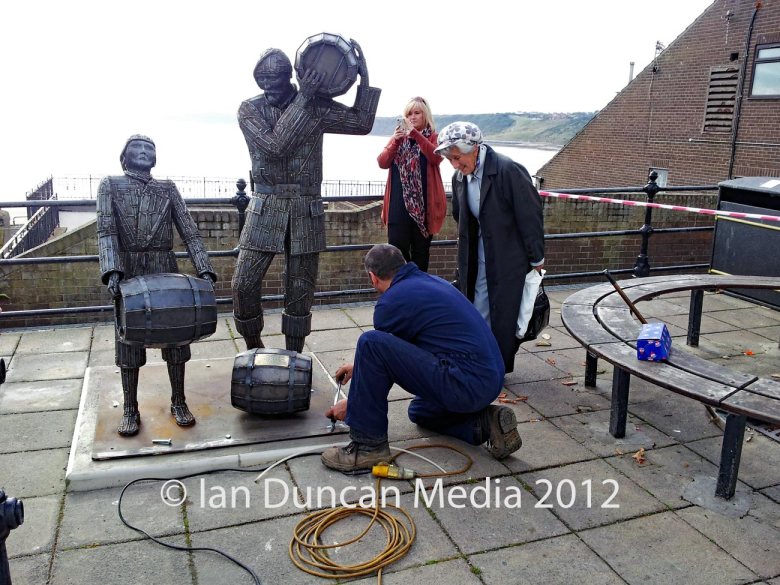
Artist Ray Lonsdale installs The Smuggler’s Apprentice (Lesson 1) statue in Scarborough in North Yorkshire. Also pictured is local resident and philanthropist Maureen Robinson who bought the piece for the town. Photo: Ian Duncan.
After that local resident and philanthropist Maureen Robinson decided to buy a few more statues for the benefit of the town and the next one was to commemorate its smuggling past with the smuggler’s apprentice which is tucked away in Merchant’s Row halfway up Eastborough in the Old Town.
It was was installed in Merchants Row in September 2012 and the apprentice may only be 12 or 13 years old. He may have been forced into the illegal work of smuggling though desperation for money to feed himself and his family.
Living in a seaside community he would have been fully aware of the dangers of smuggling. Not only encounters with the ocean but much worse. Encounters with the excise men leading to arrest, incarceration in a stinking prison, trial, verdict and then the gallows. He may well have seen this inexorable tide of tragedy drown friends and others in his family.
Tommy
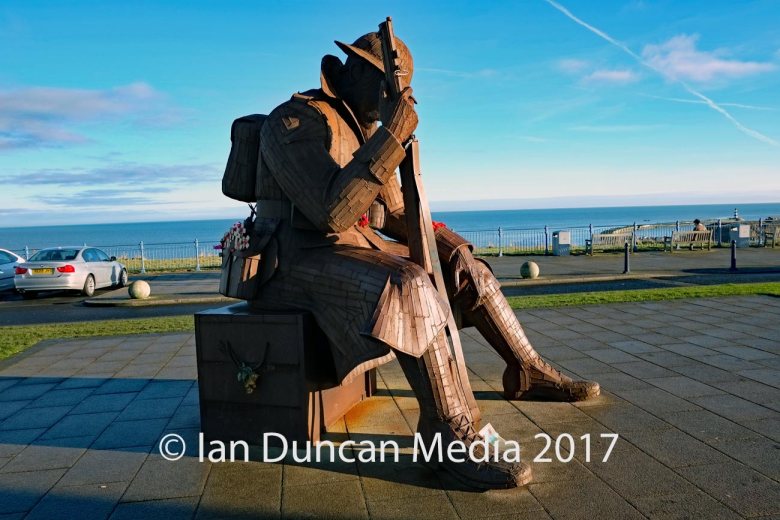
Eleven-O-One by artist Ray Lonsdale in Seaham in County Durham in the north-east of England which is known locally as Tommy. Photo: Ian Duncan. 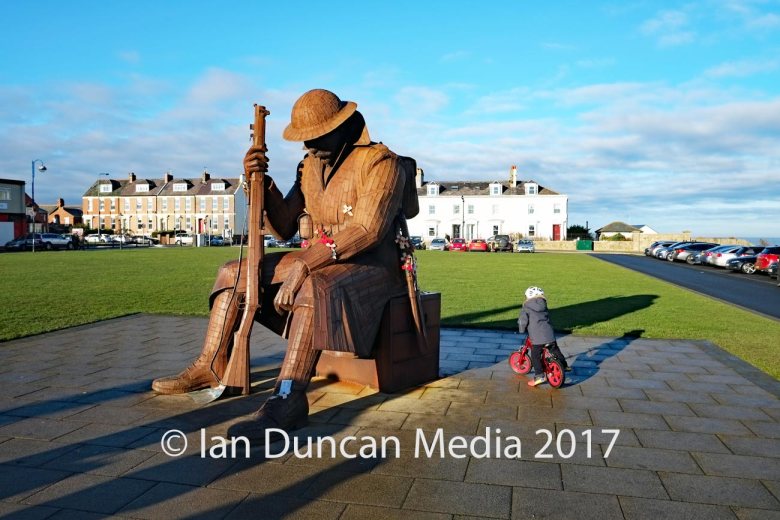
Eleven-O-One by artist Ray Lonsdale in Seaham in County Durham in the north-east of England which is known locally as Tommy. Photo: Ian Duncan. 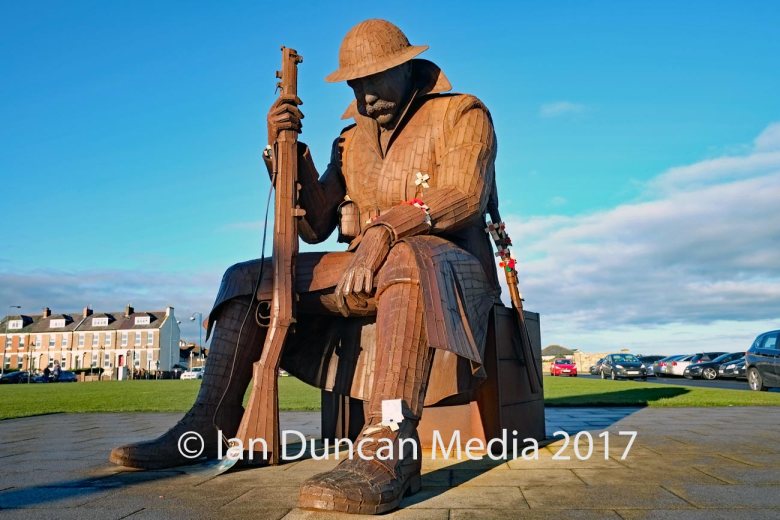
Eleven-O-One by artist Ray Lonsdale in Seaham in County Durham in the north-east of England which is known locally as Tommy. Photo: Ian Duncan. 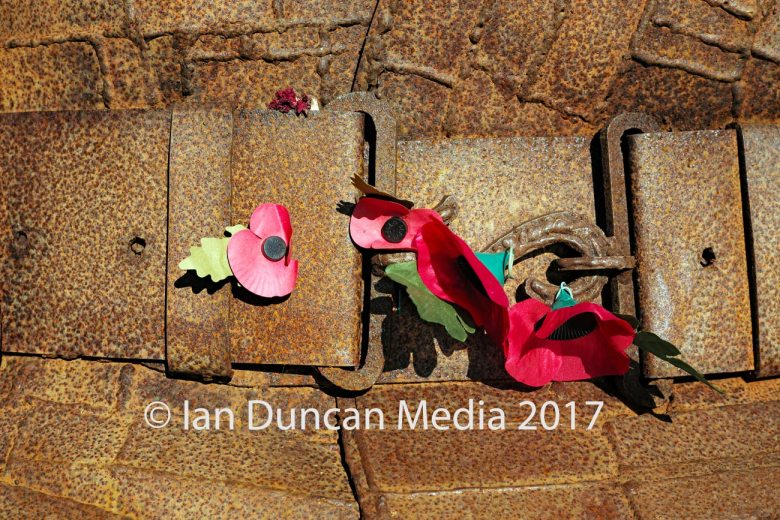
Eleven-O-One by artist Ray Lonsdale in Seaham in County Durham in the north-east of England which is known locally as Tommy. Photo: Ian Duncan. 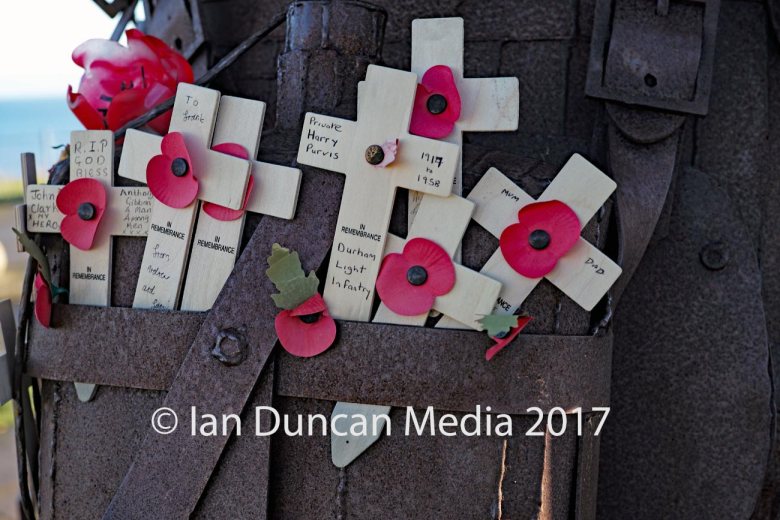
Eleven-O-One by artist Ray Lonsdale in Seaham in County Durham in the north-east of England which is known locally as Tommy. Photo: Ian Duncan. 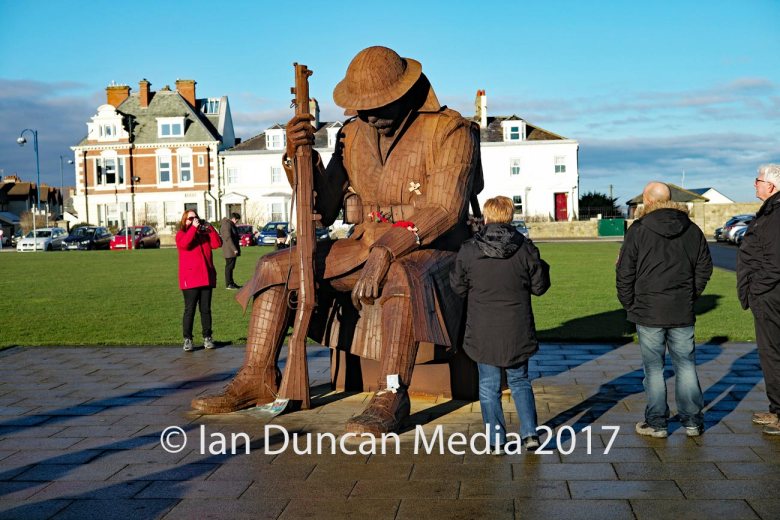
Eleven-O-One by artist Ray Lonsdale in Seaham in County Durham in the north-east of England which is known locally as Tommy. Photo: Ian Duncan. 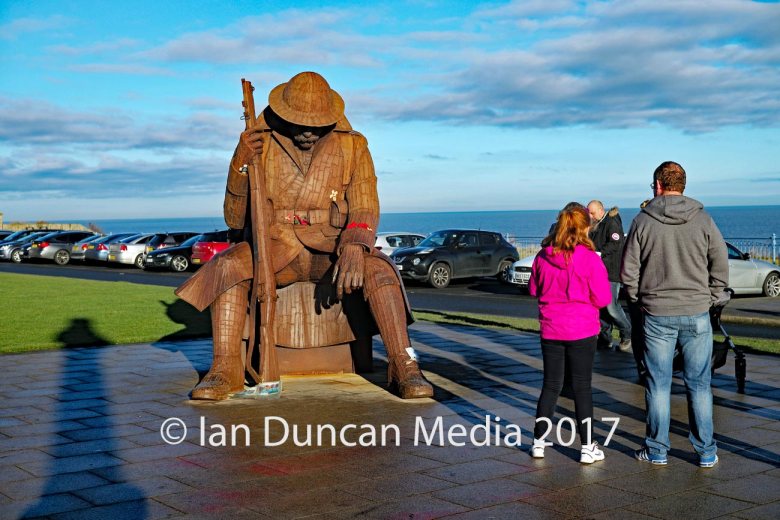
Eleven-O-One by artist Ray Lonsdale in Seaham in County Durham in the north-east of England which is known locally as Tommy. Photo: Ian Duncan. 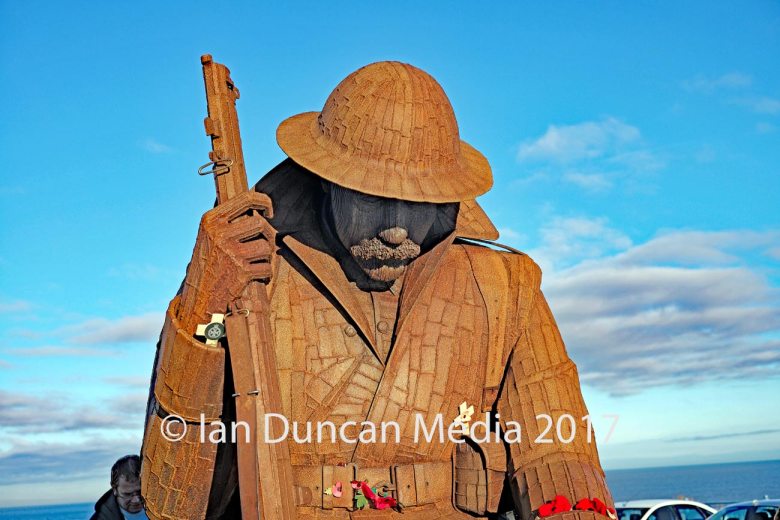
Eleven-O-One by artist Ray Lonsdale in Seaham in County Durham in the north-east of England which is known locally as Tommy. Photo: Ian Duncan. 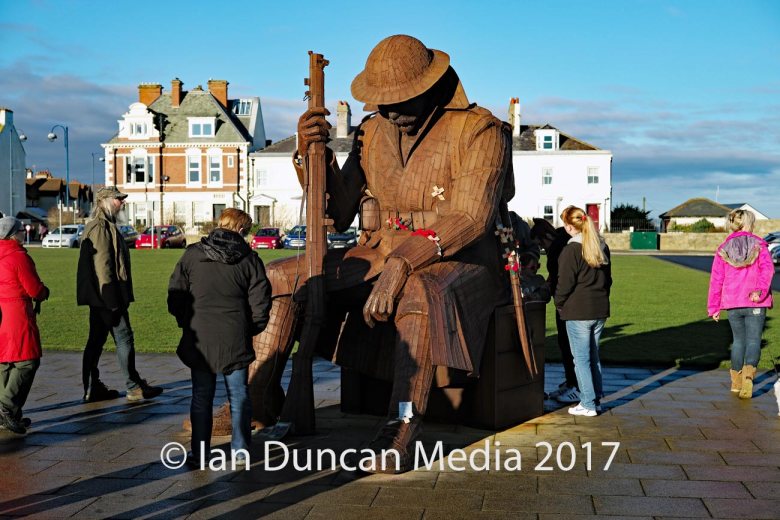
Eleven-O-One by artist Ray Lonsdale in Seaham in County Durham in the north-east of England which is known locally as Tommy. Photo: Ian Duncan. 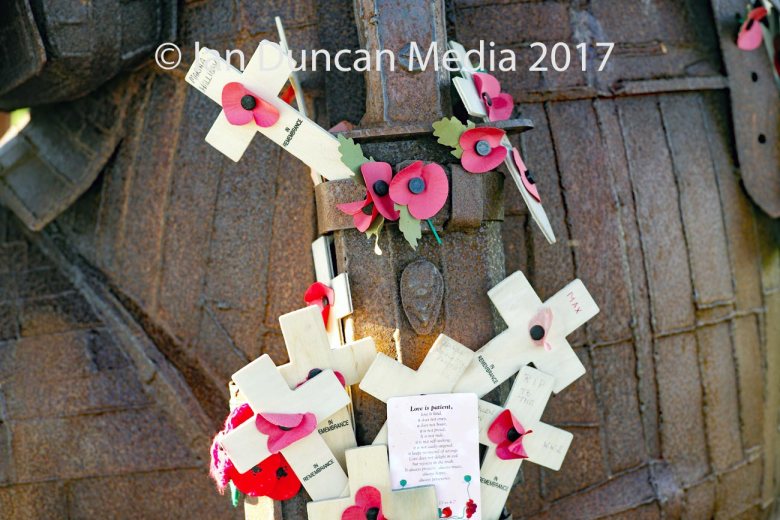
Eleven-O-One by artist Ray Lonsdale in Seaham in County Durham in the north-east of England which is known locally as Tommy. Photo: Ian Duncan.
Tommy is a statue of a First World War soldier by Ray Lonsdale which is displayed close to Seaham war memorial, on Terrace Green by the seafront in Seaham.
Officially it is known as Eleven-O-One which refers to the first minute of peace as the armistice which came into force at 11am on November 11, 1918, but it is more popularly known as Tommy, referring to the archetype private soldier Tommy Atkins.
It was displayed temporarily in Seaham from May 2014, but became a permanent fixture after a committee of local residents raised £102,000 needed to buy it. The peice was handed over on August 4, 2014, the centenary of the outbreak of the First World War.
The Coxwain Sculpture
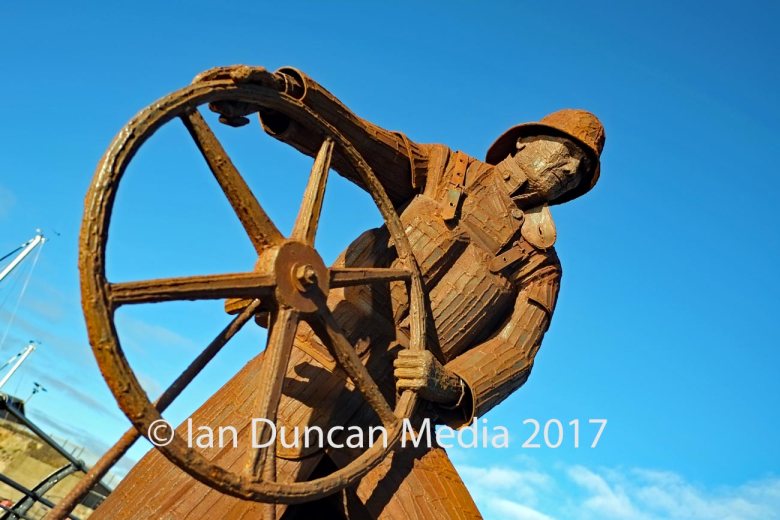
The Coxwain Sculpture by artist Ray Lonsdale in Seaham in County Durham in the north-east of England. Photo: Ian Duncan. 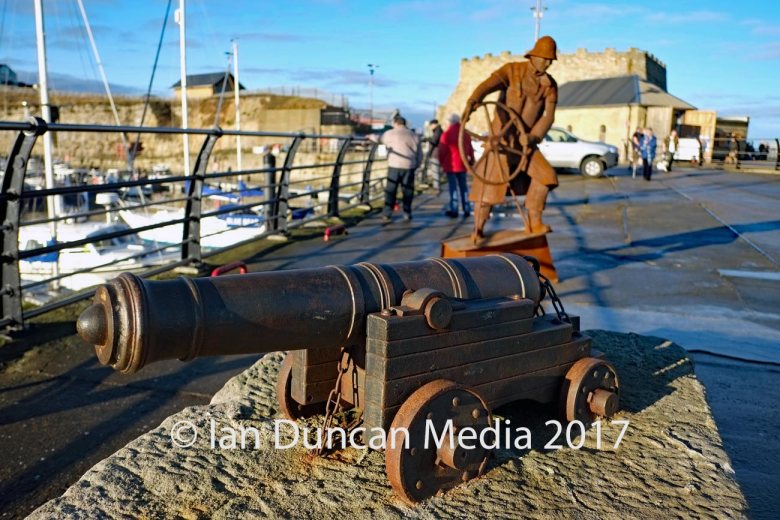
The Coxwain Sculpture by artist Ray Lonsdale in Seaham in County Durham in the north-east of England. Photo: Ian Duncan. 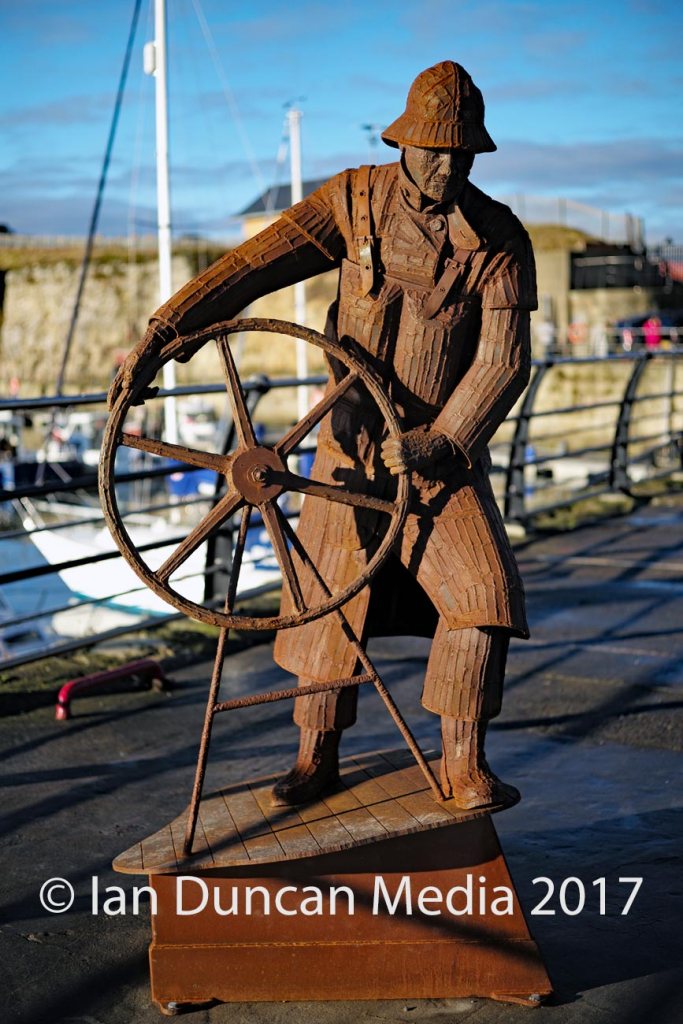
The Coxwain Sculpture by artist Ray Lonsdale in Seaham in County Durham in the north-east of England. Photo: Ian Duncan.
It is nestled in the what is described as the picturesque Seaham Harbour Marina where you’ll find the remarkable Coxswain sculpture by Ray Lonsdale. This metal artwork serves as a heartfelt tribute to the Royal National Lifeboat Institution (RNLI) and honours the nine brave souls lost aboard the lifeboat The George Elmy.
The sculpture commemorates the courage and dedication to duty of all past members of the former Seaham lifeboat station, five of whom made the ultimate sacrifice on November 17, 1962, and it depicts a coxswain at the wheel of the lifeboat.
Fiddler’s Green Sculpture
Fiddler’s Green statue in North Shields in the north-east of England by artist Ray Lonsdale. Photo: Ian Duncan. 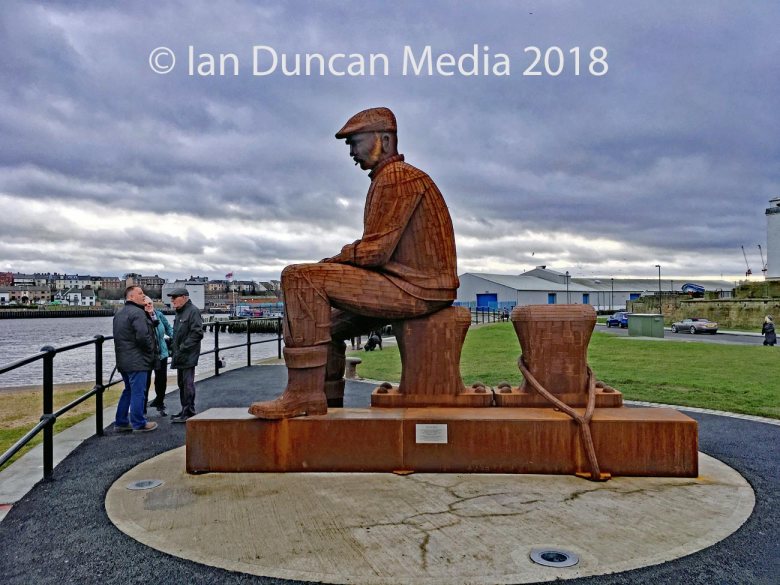
Fiddler’s Green statue in North Shields in the north-east of England by artist Ray Lonsdale. Photo: Ian Duncan. 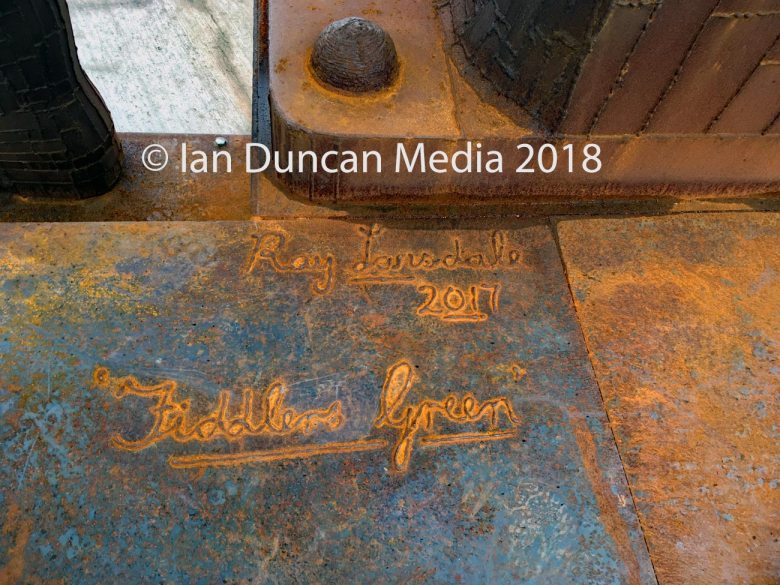
Fiddler’s Green statue in North Shields in the north-east of England by artist Ray Lonsdale. Photo: Ian Duncan. 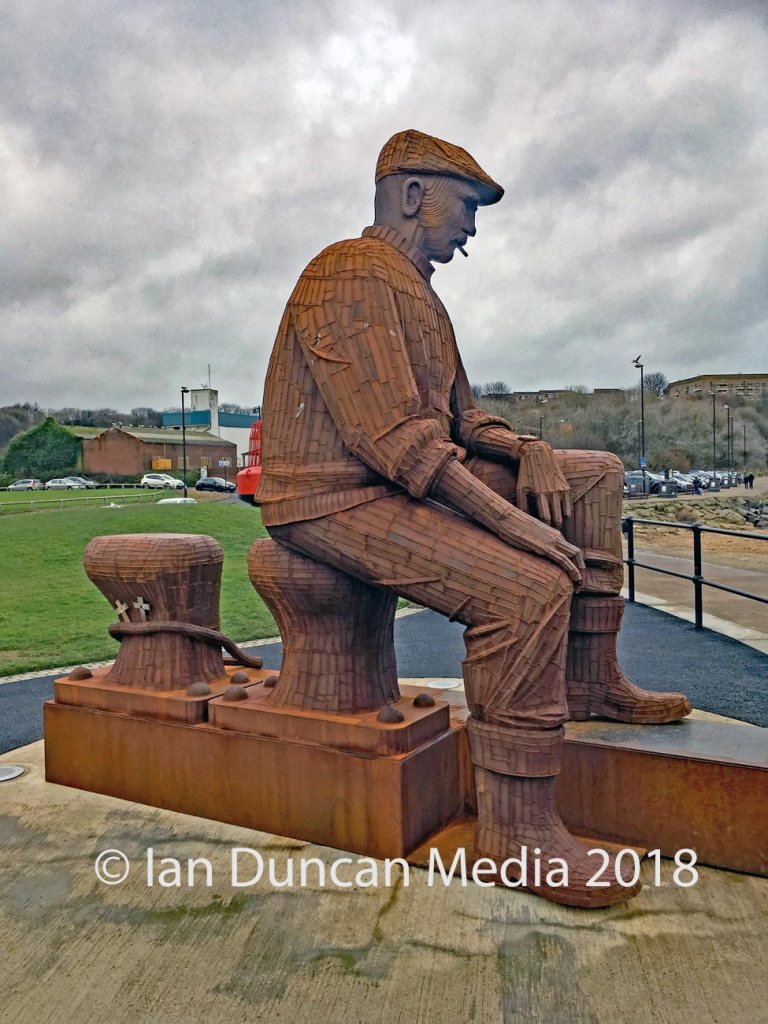
Fiddler’s Green statue in North Shields in the north-east of England by artist Ray Lonsdale. Photo: Ian Duncan.
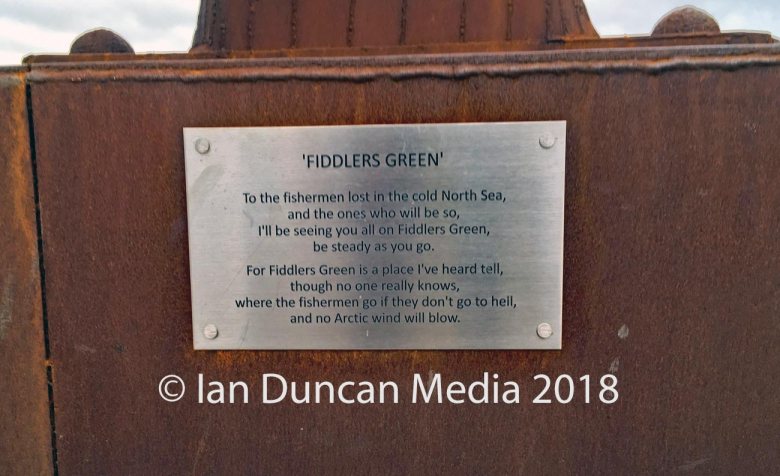
Fiddler’s Green sits overlooking the River Tyne on North Shields Fish Quay and it is a memorial to North Shields fishermen lost at sea. The sculpture was created after a fundraising campaign by the North Shields Fishermen’s Heritage Project who wanted to see a permanent memorial to those lost from the fishing port of North Shields.
The plaque on the base reads: “To the fishermen lost in the cold North Sea, and the ones who will be so, I’ll be seeing you all on Fiddler’s Green, be steady as you go. For Fiddler’s Green is a place I’ve heard tell, though no one really knows, where the fishermen go if they don’t go to hell, and no Arctic wind will blow.”
The Big Dance Sculpture
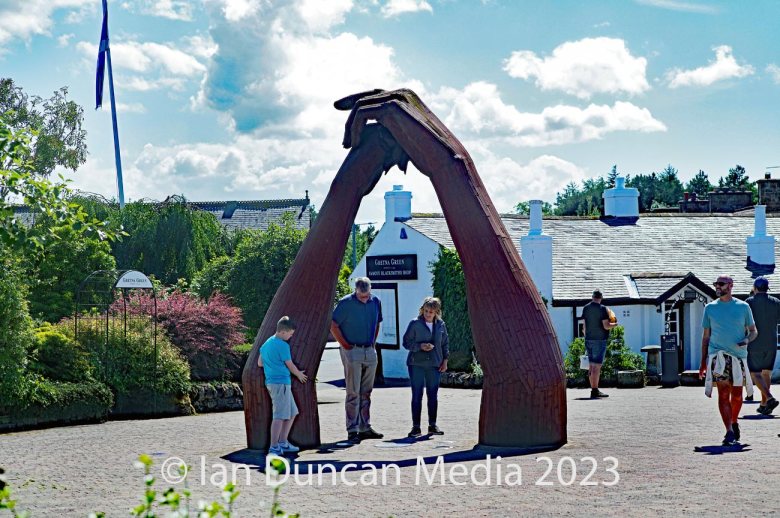
The Big Dance Sculpture by artist Ray Lonsdale in Gretna Green in Scotland. Photo: Ian Duncan. 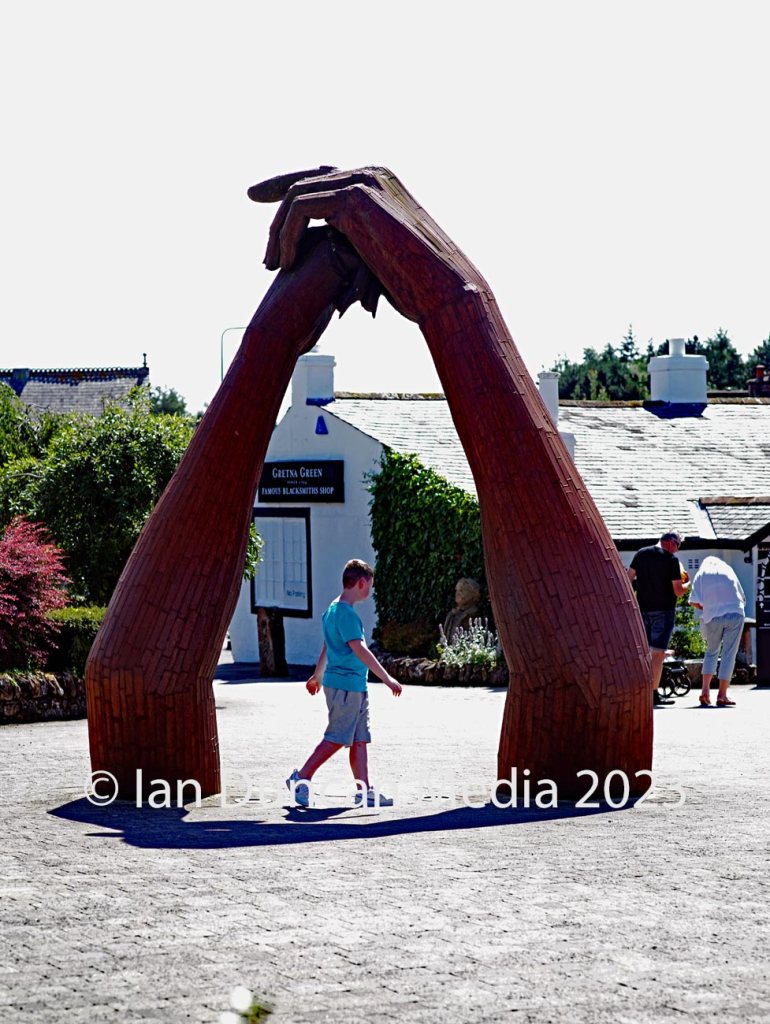
The Big Dance Sculpture by artist Ray Lonsdale in Gretna Green in Scotland. Photo: Ian Duncan. 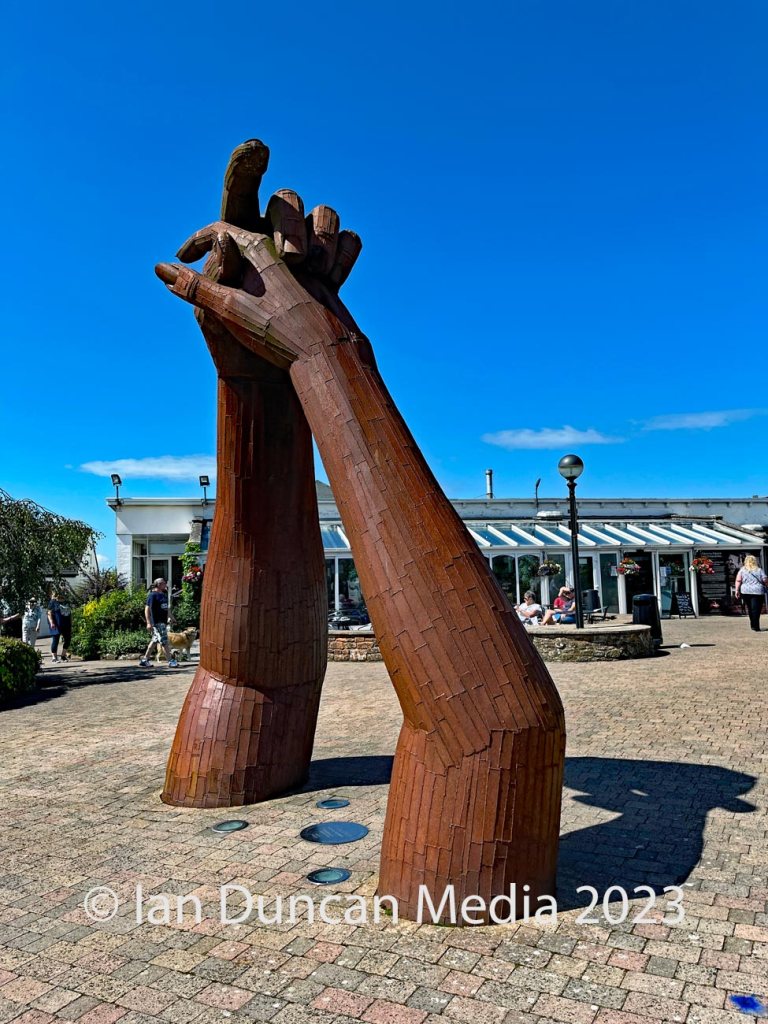
The Big Dance Sculpture by artist Ray Lonsdale in Gretna Green in Scotland. Photo: Ian Duncan. 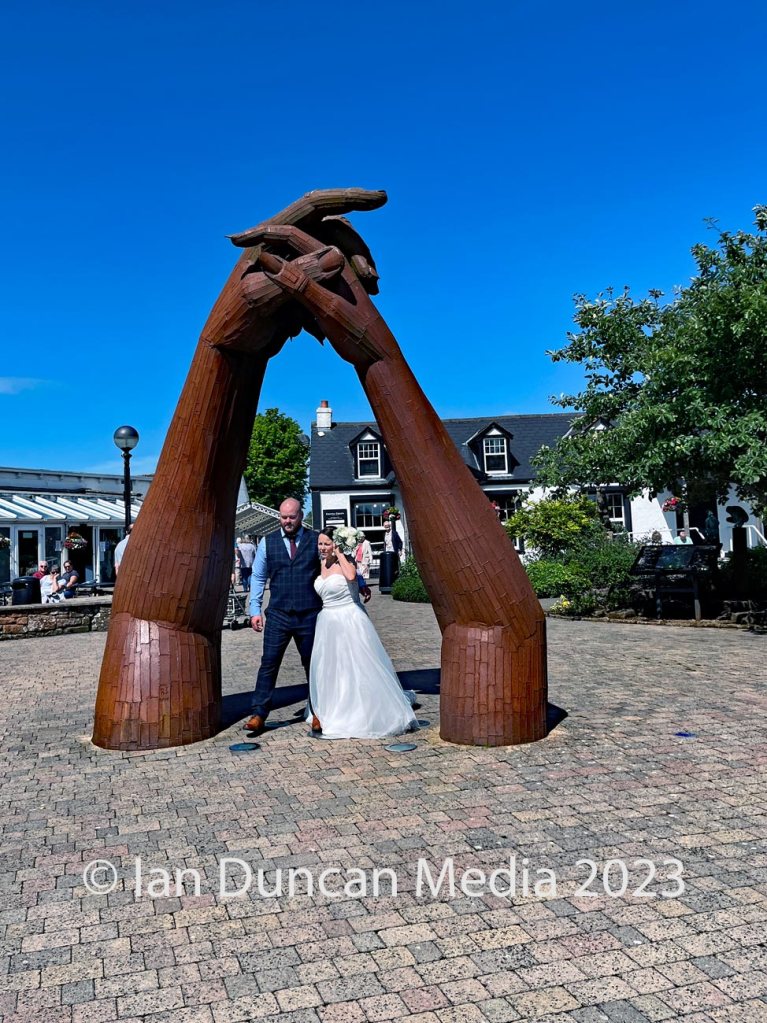
The Big Dance Sculpture by artist Ray Lonsdale in Gretna Green in Scotland. Photo: Ian Duncan. 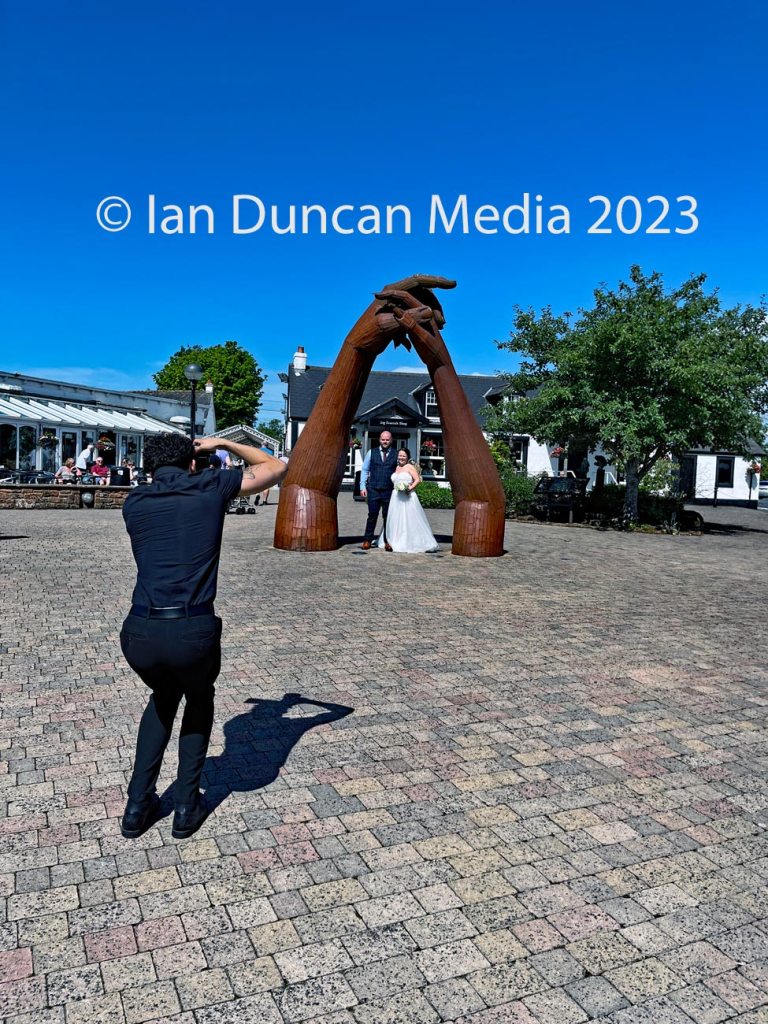
Wedding photographer in action in front of The Big Dance Sculpture by artist Ray Lonsdale in Gretna Green in Scotland. Photo: Ian Duncan.
This 13-foot tall sculpture titled ‘The Big Dance’ is located at the Famous Blacksmith Shop in Gretna Green, Scotland, and features a sculpture of two clasped hands. it was created by Ray Lonsdale from weathering steel, which was the same material as the Angel of the North, The Big Dance has been moved into place in the sculpture garden at the Blacksmith Shop.
Standing tall among the surrounding buildings linked to the village’s weddings heritage, it is expected to become a new icon for the region’s most popular visitor attraction.with an annual 700,000 visitors.
Lonsdale who always works in steel said: “This is the biggest single work I have produced and I am very happy with the finished piece. When you begin any project it is a bit like drawing lines in the air; you are never sure how it will turn out and there is often an element of doubt.
“I love the idea for this piece, which works on so many levels – not just weddings. The Big Dance is about life itself and a lifetime of making connections.””
Ray Lonsdale
According to his website the artist runs Two Red Rubber Things which began as a seed of art interest in 2002 and has developed from a desire to create for emotion rather than function. He is a steel fabricator from Durham whose collections to date show the sculptor’s fascination with the human form. They are built from steel, his work conveys incredible sensitivity and emotion, often providing deep moments of reflection.
 Ian Duncan Media